West Java Nature Guide: Volcanoes, Hot Springs, and Tea Plantations

West Java Nature Guide: Volcanoes, Hot Springs, and Tea Plantations

West Java is one of the best regions in Indonesia for travelers who want to experience nature without traveling too far from the capital.


Located close to Jakarta, the province offers a diverse landscape filled with volcanoes, natural hot springs, and vast tea plantations spread across cool highlands.


Many visitors combine these attractions into a single trip, especially when exploring the mountain areas around Bandung.


The scenery in West Java changes quickly as you leave the city behind. Busy highways gradually turn into winding mountain roads surrounded by forests, farms, and rolling hills.


The cooler air and green landscapes make the region feel refreshing, especially for travelers looking for a short escape from the crowded capital.


From dramatic volcanic craters to relaxing hot springs and peaceful tea plantations, West Java offers a mix of natural attractions that are both scenic and easy to access.


Volcanoes to Visit in West Java


West Java sits along Indonesia’s volcanic belt, which means the region is home to several volcanoes that can be visited by travelers.


These mountains shape the landscape and create some of the most unique scenery in the area.


Tangkuban Perahu


Tangkuban Perahu is one of the most famous volcanoes in West Java and one of the easiest to visit.


Located about an hour north of Bandung, the volcano is known for its large crater that can be viewed from nearby observation areas.


West Java Nature Guide: Volcanoes, Hot Springs, and Tea Plantations - Ekaputra


Unlike many volcanoes that require long hikes, visitors can reach the crater area by car, making it accessible for most travelers.


Once there, you can walk along the edge of the crater and see the steaming volcanic landscape up close.


The cool mountain air and dramatic views make this one of the most popular natural attractions in the region.


Many tours also combine a visit to Tangkuban Perahu with nearby tea plantations or hot springs, creating a full day of exploring the highlands.


Kawah Putih


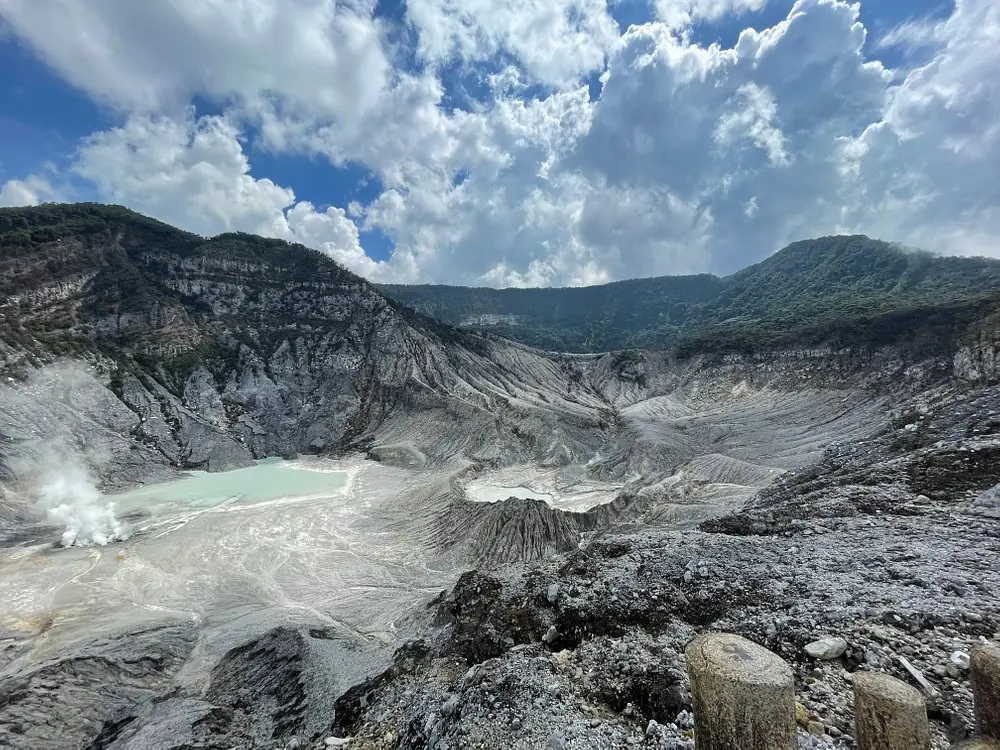
Another unique volcanic attraction in West Java is Kawah Putih, located in the Ciwidey highlands south of Bandung.


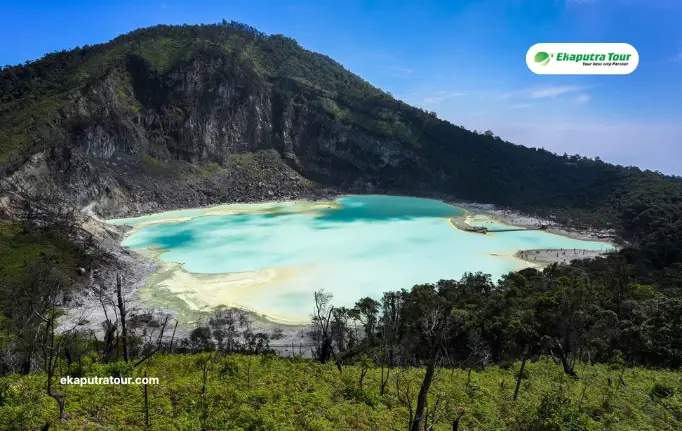
The name means “White Crater,” referring to the pale color of the volcanic soil and the turquoise lake inside the crater.


The scenery here feels very different from other volcanic sites. The lake often appears in shades of blue or green depending on weather conditions, while the surrounding landscape has a misty and slightly surreal atmosphere.


West Java Nature Guide: Volcanoes, Hot Springs, and Tea Plantations - Ekaputra


Because of its unique appearance, Kawah Putih has become one of the most photographed destinations in West Java.


Visitors often spend time walking around the crater area and enjoying the cool mountain environment before exploring other attractions nearby.


Natural Hot Springs in West Java


Volcanic activity beneath the surface also creates natural hot springs across West Java. These warm mineral waters are popular places to relax after exploring the surrounding mountains.


Ciater Hot Springs


One of the most well-known hot spring destinations is Ciater Hot Springs.


Located on the slopes of Tangkuban Perahu, this area offers several pools filled with naturally heated water from the volcano.


West Java Nature Guide: Volcanoes, Hot Springs, and Tea Plantations - Ekaputra


Many visitors stop here after visiting the crater of Tangkuban Perahu. Soaking in the warm water while surrounded by cool mountain air is a relaxing experience, especially after a day of sightseeing.


The area around Ciater also offers beautiful views of nearby hills and tea plantations, making it a peaceful place to spend some time before continuing the journey.


Cimanggu Hot Spring


Another natural hot spring worth visiting is Cimanggu Hot Spring, located in the forested highlands of Ciwidey.


Compared to Ciater, this area feels quieter and more connected to nature.


The hot spring pools are surrounded by trees and greenery, creating a calm and relaxing environment.


West Java Nature Guide: Volcanoes, Hot Springs, and Tea Plantations - Ekaputra


Many travelers visit Cimanggu after exploring nearby attractions such as Kawah Putih or the tea plantations of southern Bandung.


The peaceful setting makes it an ideal place to unwind and enjoy the natural atmosphere of West Java’s mountains.


Scenic Tea Plantations in West Java


In addition to volcanoes and hot springs, West Java is also famous for its tea plantations. The cool climate and fertile volcanic soil create perfect conditions for tea cultivation, and the plantations often stretch across large hillsides.


Kebun Teh Sukawana


Kebun Teh Sukawana is one of the most scenic tea plantations near Tangkuban Perahu. The area features wide green hills covered with rows of tea plants that form beautiful patterns across the landscape.


West Java Nature Guide: Volcanoes, Hot Springs, and Tea Plantations - Ekaputra


Visitors often come here to enjoy the peaceful atmosphere and take photos of the surrounding mountains. The quiet roads through the plantation are also perfect for a short walk while enjoying the fresh air.


In the early morning, light mist sometimes drifts across the hills, creating a beautiful and serene landscape that feels far away from city life.


Perkebunan Teh Rancabali


Another stunning plantation area is Perkebunan Teh Rancabali, located in the Ciwidey region south of Bandung.


This plantation is known for its wide open landscapes and scenic mountain views.


West Java Nature Guide: Volcanoes, Hot Springs, and Tea Plantations - Ekaputra


The road through the plantation offers some of the most beautiful drives in West Java. Along the way, travelers can stop to enjoy the view, take photos, or simply appreciate the calm surroundings.


Many visitors combine Rancabali with nearby destinations such as Kawah Putih, making it part of a memorable highland journey.


Best Time to Explore Nature in West Java


The best time to explore West Java’s natural attractions is usually in the morning. Early hours bring cooler temperatures, softer sunlight, and clearer mountain views.


Morning visits also allow travelers to avoid larger crowds at popular destinations like Tangkuban Perahu or Kawah Putih.


The light during this time is also ideal for photography, especially in tea plantation areas where the hills appear vibrant green.


The dry season, which generally runs from April to October, is often considered the most comfortable time for outdoor exploration.


However, West Java’s highlands remain green and beautiful throughout the year.


Discover West Java’s Nature with Ekaputra Tour


Exploring the natural landscapes of West Java can be a rewarding experience, especially when several destinations are combined into one trip.


From volcanic craters and hot springs to scenic tea plantations, the region offers a wide variety of landscapes within a relatively short distance.


With services from Ekaputra Tour, travelers can comfortably visit popular attractions such as Tangkuban Perahu, Kawah Putih, and nearby tea plantations in a well-organized itinerary.


A guided tour allows visitors to focus on enjoying the scenery and discovering the beauty of West Java’s highlands without worrying about transportation or planning.


For travelers coming from Jakarta or staying in Bandung, it’s a convenient way to experience some of the region’s most beautiful natural destinations in a single journey.


Jihandiny Rieztinovra
作者:

Jihandiny Rieztinovra

作家 · 思想家 · 夜猫子

该作者尚未提供个人简介。

标签: Travel Guide
分享: WhatsApp Facebook X
logo
logo

We’re Number One Travel Adventure Company

It is a long established fact that a reader will be distracted the readable content of a page when looking at layout the point of using lorem the is Ipsum less normal distribution of letters.

Contact Us