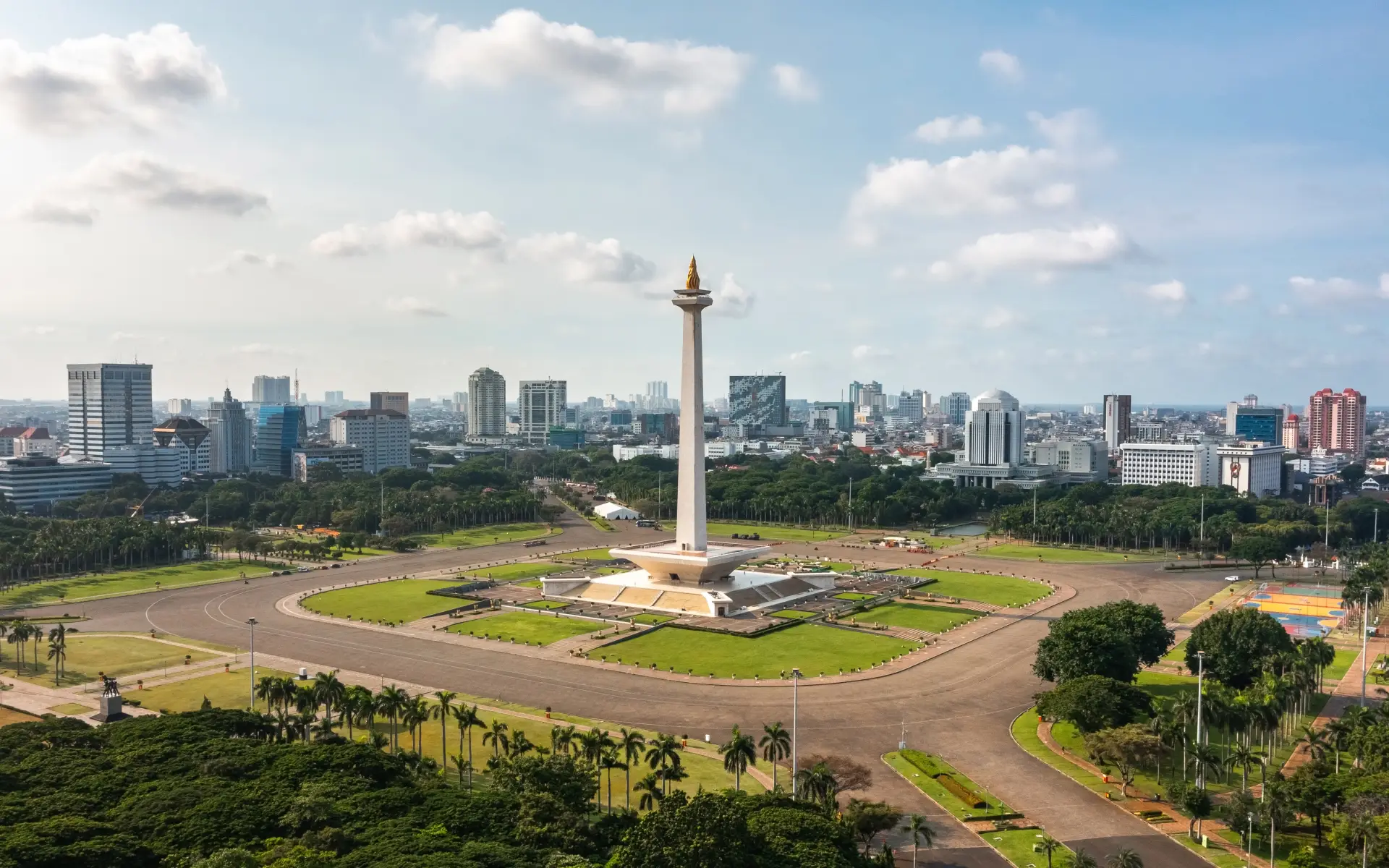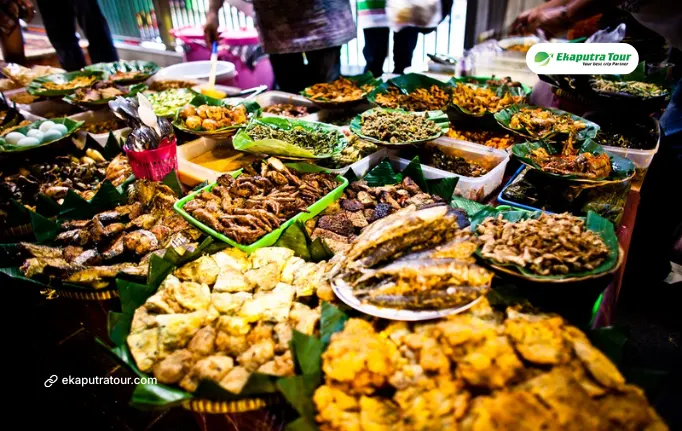
Jakarta's street food scene is legendary, offering some of the most delicious and authentic culinary experiences in Southeast Asia.
Understanding Jakarta street food safety shouldn't scare you away from these amazing flavors.
Rather, it empowers you to eat confidently and enjoy the incredible variety of Indonesian cuisine available on nearly every corner.
From sizzling satay to fragrant nasi goreng, street food represents the heart of Jakarta's food culture.
With a few smart habits and awareness, you can safely indulge in these mouthwatering dishes and create unforgettable food memories during your visit.
Street food in Jakarta isn't just affordable and convenient. It's where locals eat daily, where recipes pass down through generations, and where you'll taste the most authentic
Indonesian flavors. Many street vendors have been perfecting their specialty dishes for decades, creating food that rivals fancy restaurants at a fraction of the cost.
The vibrant atmosphere around street food stalls, watching skilled cooks prepare meals right before your eyes, and sharing tables with friendly locals creates cultural experiences that guidebooks can't replicate.
Don't let safety concerns prevent you from this essential part of experiencing Jakarta. Instead, learn how to choose wisely and eat safely.
Selecting the right vendor is the most important step in enjoying safe street food. Your eyes and instincts are valuable tools.
The busiest stalls are usually the safest. High customer turnover means fresh ingredients and food that doesn't sit around. If locals are lining up, especially during meal times, that's a strong endorsement of both quality and safety. Empty stalls with food sitting out for hours should raise red flags.
While street food environments won't match restaurant hygiene standards, look for vendors who maintain reasonable cleanliness.
Watch how they handle food, whether they use separate utensils for raw and cooked items, and if cooking areas appear relatively organized.
Vendors who take pride in their food usually take pride in their workspace too.
Fresh oil in frying stations is a good sign.
Dark, repeatedly used oil indicates lower standards. Covered food is better than exposed dishes attracting flies. Clean serving plates and utensils matter more than fancy presentation.
Always opt for food cooked to order right in front of you. The high heat from grilling, frying, or boiling kills harmful bacteria effectively.
Watching your meal being prepared also ensures freshness and lets you verify cooking standards.
Avoid pre-cooked food sitting at room temperature, pre-cut fruits from unknown preparation times, and dishes with mayonnaise or dairy products unless properly refrigerated.
If you're new to Jakarta street food, start with these generally safer options that are cooked at high temperatures.
Satay (Sate): Grilled meat skewers cooked over charcoal are relatively safe because the high heat kills bacteria. Chicken, beef, or goat satay served with peanut sauce is a Jakarta staple and perfect for first-timers.
Fried Rice (Nasi Goreng): Indonesia's national dish is cooked at high heat in a wok, making it a safe and delicious choice. The smoking hot wok ensures thorough cooking.
Fried Noodles (Mie Goreng): Like nasi goreng, these stir-fried noodles are cooked at high temperatures and typically very safe.
Martabak: Whether you choose the sweet version (martabak manis) with chocolate and cheese or savory version (martabak telur) with eggs and meat, both are cooked fresh on hot griddles.
Bakso: Meatball soup is served piping hot, which kills bacteria. The boiling broth and freshly cooked meatballs make this a safer street food option.
Soto: Various regional soto (aromatic soups) are served at temperatures that ensure safety. The long-simmered broths and fresh herbs create comforting, safe meals.
Use caution with raw vegetables and salads unless you see them being washed, pre-cut tropical fruits from carts (bacteria can transfer from contaminated cutting boards), ice in drinks from questionable sources (though most vendors now use factory-made ice), and shellfish or seafood unless from reputable vendors with visible freshness.
Your own habits significantly impact street food safety alongside vendor selection.
Always wash or sanitize your hands before eating. Carry hand sanitizer or wet wipes since handwashing facilities at street stalls are limited.
Many food courts and modern street food areas provide washing stations, so take advantage of them.
Avoid touching your face, phone, or other items while eating street food with your hands. If eating with utensils, ensure they look clean or use your own travel cutlery set.
Don't overwhelm your digestive system on day one. Even safe street food contains different bacteria than what your stomach is accustomed to.
Start with one or two new dishes daily, allowing your system to adjust gradually. This approach helps you identify any problematic foods while still enjoying diverse culinary experiences.
Drink plenty of bottled water, but avoid adding ice unless you're confident it's from purified sources.
Dehydration combined with unfamiliar food increases digestive problems. Sealed bottled water is available everywhere and inexpensive.
Popular local drinks like teh botol (bottled sweet tea) or packaged juice boxes are safe alternatives to questionable beverages.
Timing and location impact both safety and experience quality.
Visit street food vendors during peak meal times (lunch: 12-2 PM, dinner: 6-9 PM) when turnover is highest and food is freshest.
Morning vendors selling breakfast items like bubur ayam (chicken porridge) are also excellent choices since everything is prepared fresh for the day.
Late-night street food can be safe, but ensure vendors maintain standards despite lower traffic. Many popular late-night spots near entertainment districts serve excellent food with high turnover even after midnight.
Jakarta has numerous street food concentrations known for quality and variety.
Areas like Jalan Sabang, Pecenongan, and Blok M offer dense clusters of vendors where competition maintains standards.
Food courts at markets like Pasar Santa combine street food authenticity with improved infrastructure and hygiene.
Many travelers enjoy exploring street food through a Jakarta food tour or Jakarta night city tour where experienced guides know the best, safest vendors and can explain dishes while ensuring hygienic choices.
This approach maximizes culinary adventure while minimizing risks, especially for first-time visitors.
Despite precautions, sometimes digestive upset happens. Being prepared helps you handle minor issues without ruining your trip.
Consider taking probiotics before and during your trip to strengthen your digestive system.
Pack over-the-counter medications like anti-diarrheal medicine, antacids, and rehydration salts. These simple preparations handle most minor stomach troubles effectively.
Mild digestive discomfort lasting a day usually resolves on its own with rest and hydration.
However, seek medical attention if you experience severe dehydration, high fever, blood in stool, symptoms lasting more than 48 hours, or extreme abdominal pain.
Jakarta has excellent private hospitals with international standards. Having travel insurance ensures you can access quality medical care without financial stress if needed.
Understanding Jakarta street food safety isn't about fear. It's about confident exploration. Millions of people eat street food in Jakarta daily without problems.
The key is making informed choices while staying open to new experiences.
Street food connects you with Jakarta's soul in ways that hotel restaurants never can.
The flavors, the atmosphere, the interaction with vendors and fellow diners creates memories that define your Jakarta experience.
Each dish tells a story of Indonesian culinary heritage, regional influences, and local creativity.
Jakarta's street food scene offers incredible flavors, cultural immersion, and authentic experiences that make your visit truly memorable.
By following these Jakarta street food safety tips, choosing busy vendors with visible cleanliness standards, selecting freshly cooked items, and maintaining personal hygiene, you can confidently enjoy everything from savory satay to sweet martabak.
Don't let safety concerns prevent you from this essential part of Jakarta culture. Smart choices and awareness let you savor Indonesia's culinary treasures safely.
Whether exploring independently or joining a guided Jakarta tour with local food experts, embrace the adventure that awaits in Jakarta's vibrant street food scene. Your taste buds will thank you!