Jakarta is far more exciting than its reputation suggests. Indonesia's capital has transformed into Southeast Asia's most dynamic destination - where colonial architecture stands alongside gleaming skyscrapers, and street food vendors serve world-class flavors steps away from luxury malls.
Whether you have 24 hours or a full week, this guide shows you exactly where to go, what to experience, and how to make the most of your time in the city.
Jakarta's historical core preserves fascinating heritage from its role as one of Southeast Asia's most crucial spice trade ports.
These aren't just tourist stops - they're living history where you can touch walls that witnessed revolution.
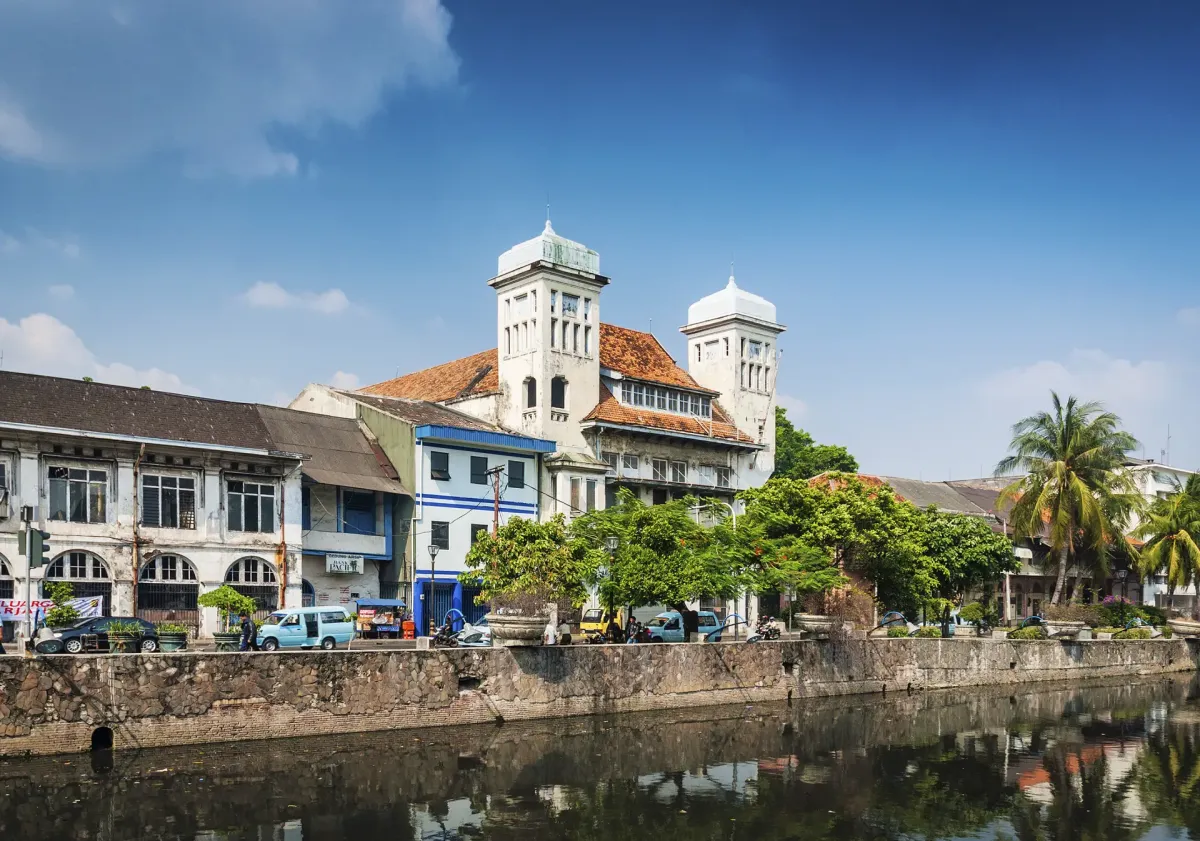
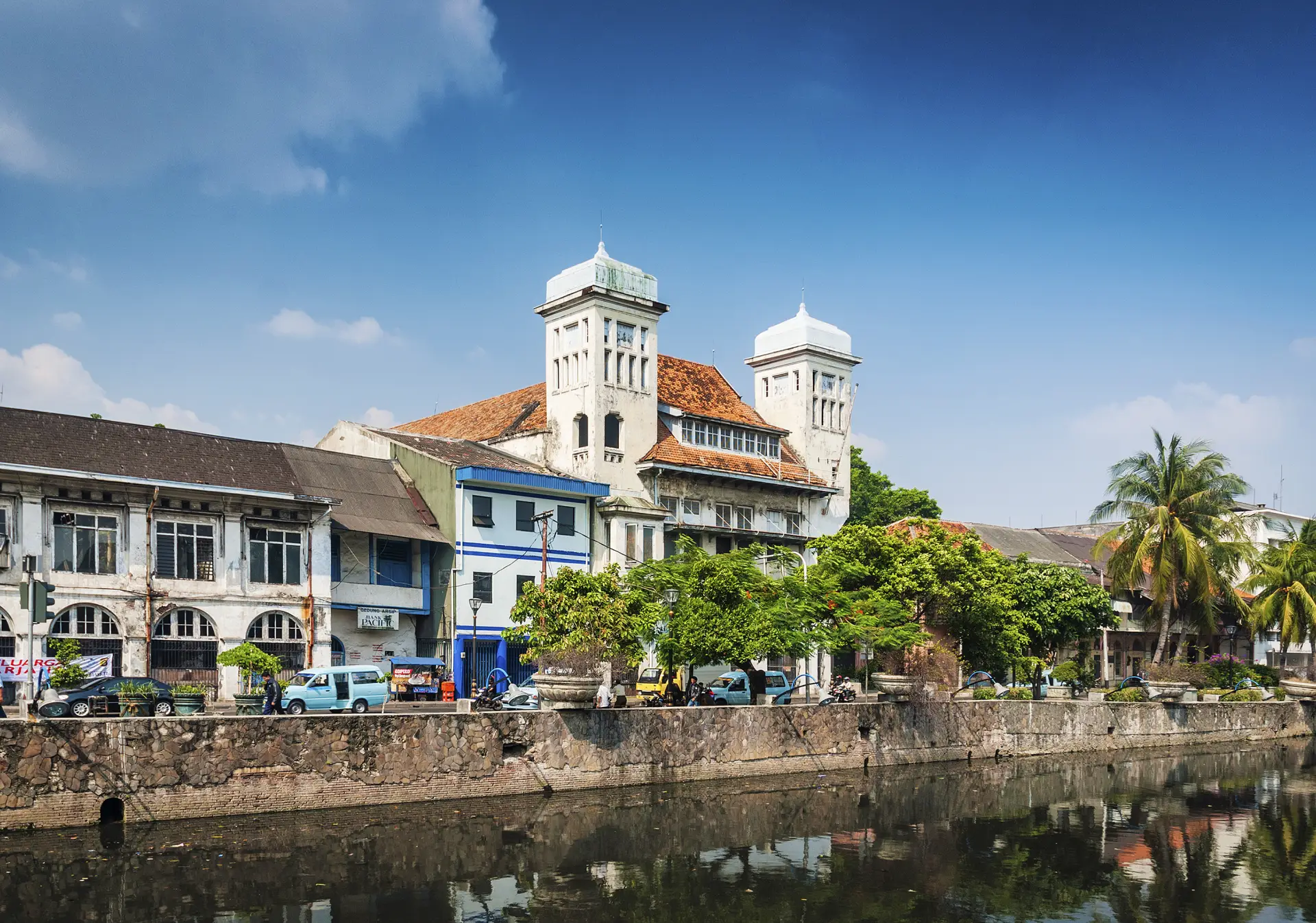
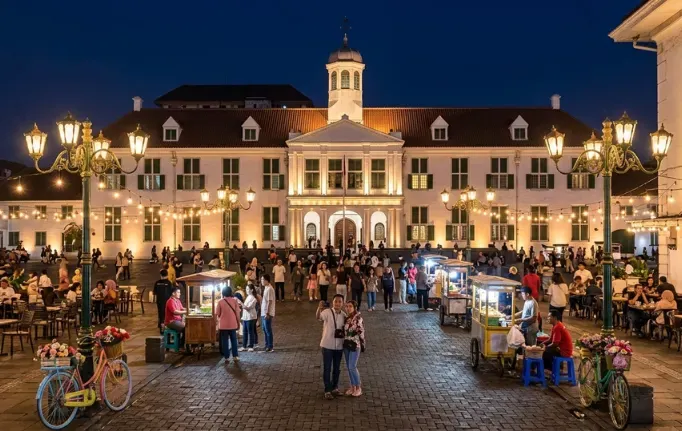
Kota Tua is where Jakarta's colonial past comes alive. This historic district was once the administrative center of the Dutch East Indies and today stands as a testament to the city's layered history.
Wander through Fatahillah Square and admire the beautifully preserved Dutch colonial buildings - including the Jakarta History Museum housed in the former city hall.
The Wayang Museum next door showcases traditional Indonesian puppetry with occasional live performances.
Rent a colorful bicycle to explore the cobblestone streets, or grab coffee at the iconic Café Batavia - a colonial-era establishment perfect for a break.
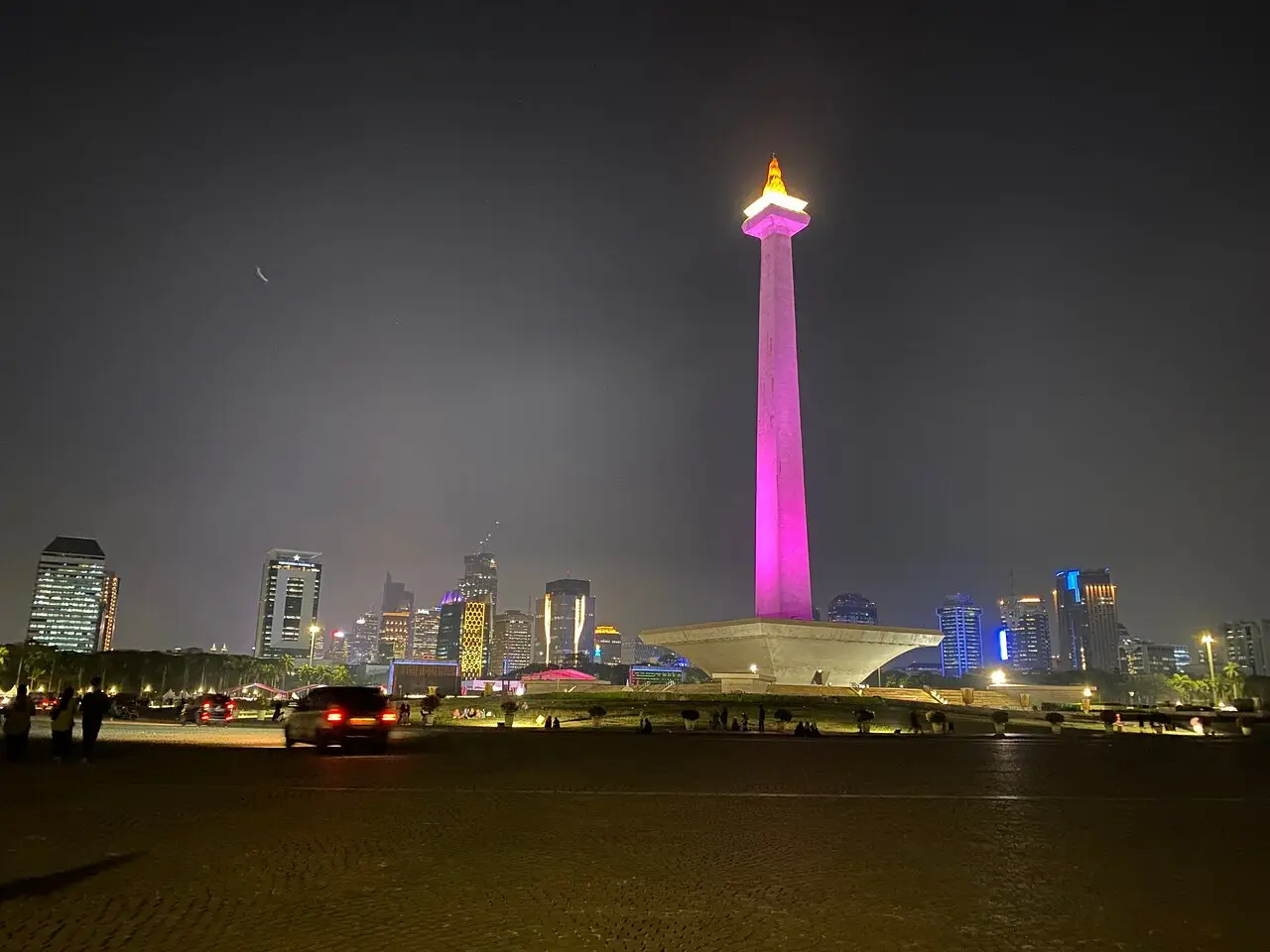
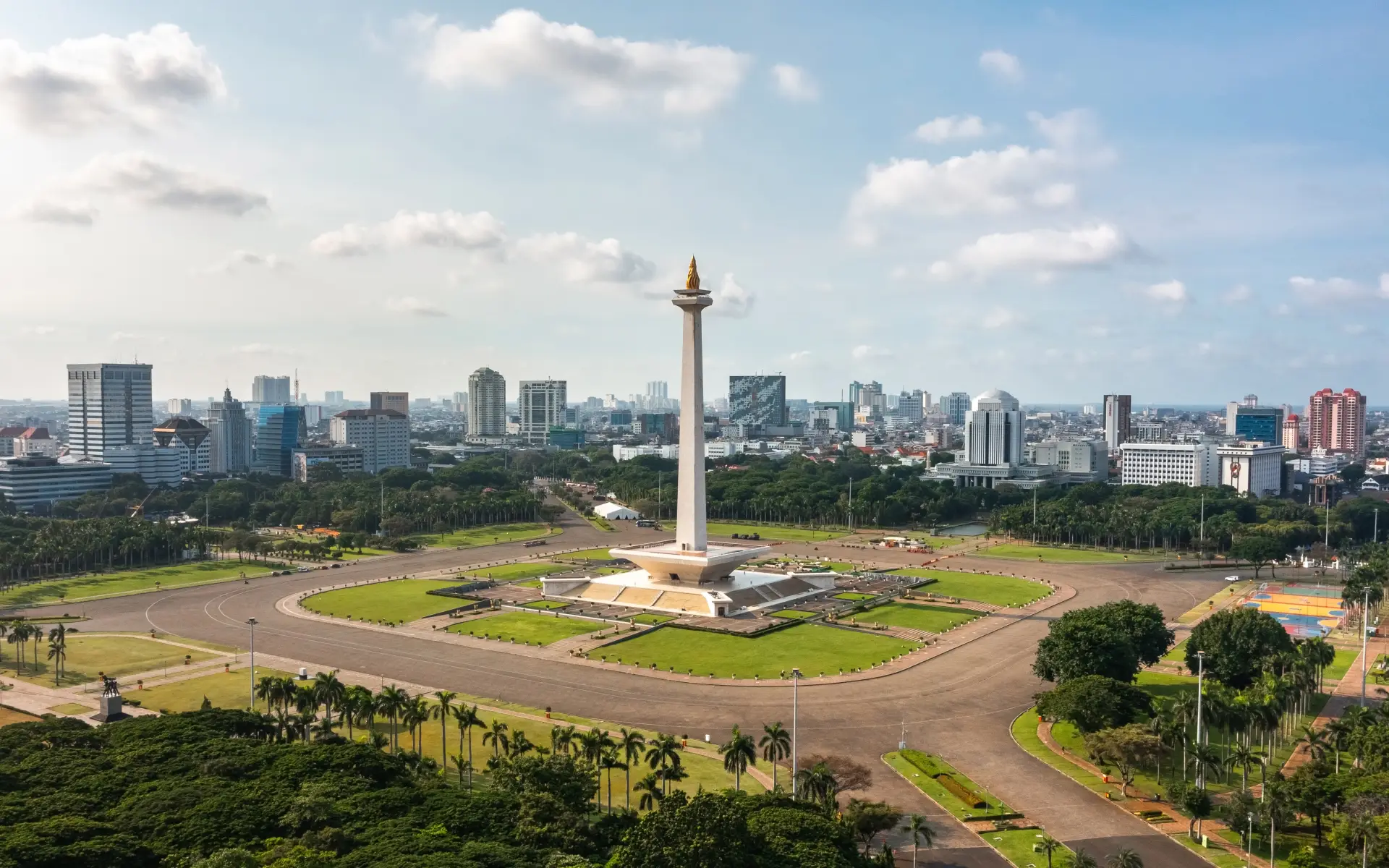
Standing 132 meters tall at the heart of Merdeka Square, Monas is Jakarta's most iconic landmark.
This marble obelisk symbolizes Indonesia's struggle for independence and offers some of the best views in the city.
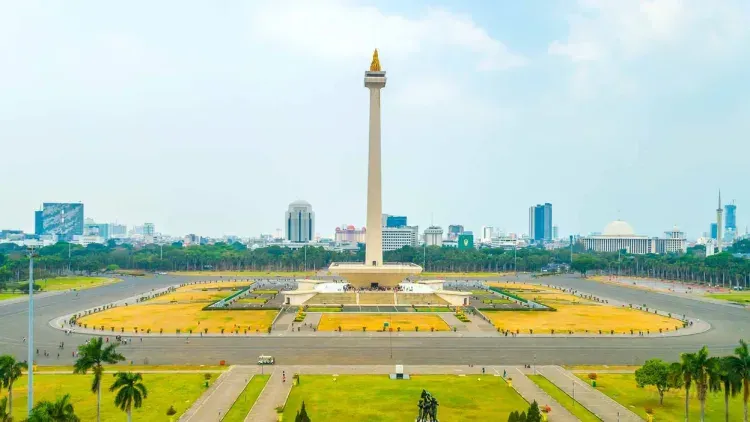
Take the elevator to the observation deck at 115 meters for 360-degree panoramas of Jakarta's sprawling cityscape.
On clear days, you can see all the way to the Java Sea. The basement museum houses dioramas depicting Indonesia's history from ancient kingdoms through independence.
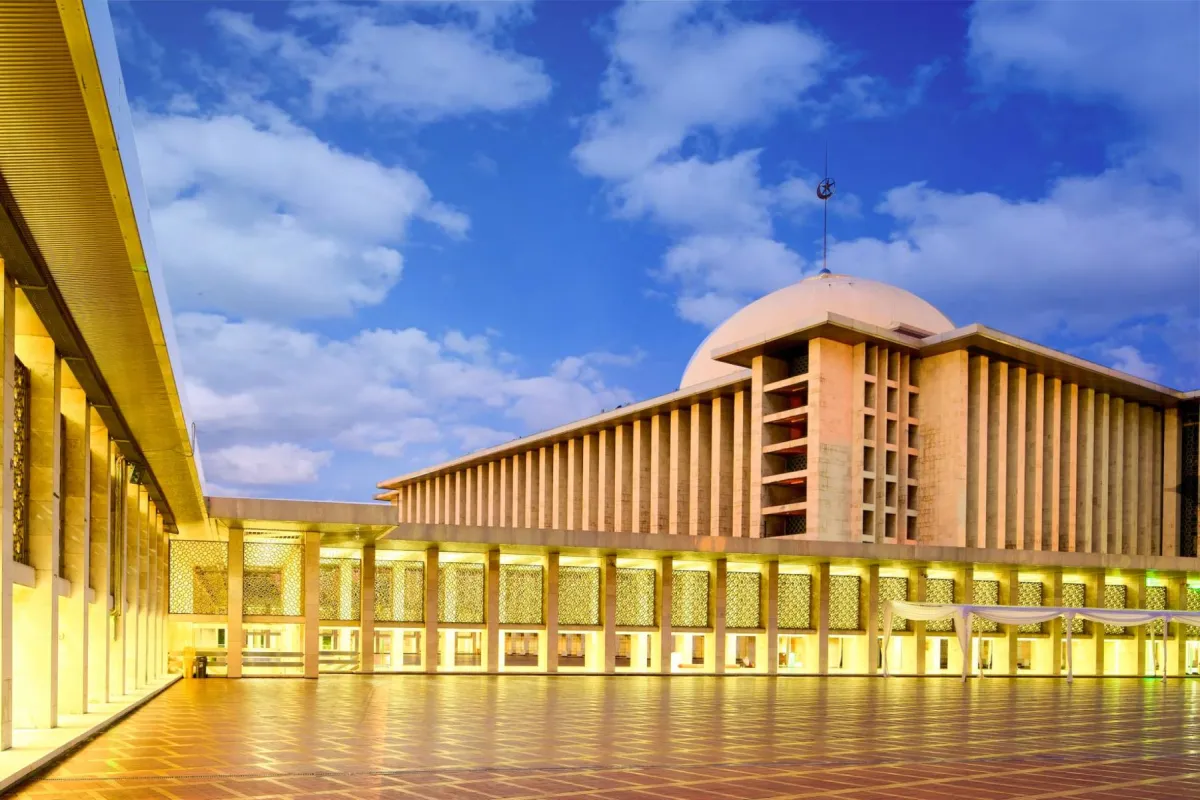
One of Jakarta's most powerful symbols is the proximity of Istiqlal Mosque and Jakarta Cathedral, standing just across the street from each other - an intentional pairing representing Indonesia's commitment to religious tolerance.
Istiqlal is the largest mosque in Southeast Asia, with capacity for over 120,000 worshippers.
Its modernist architecture features a massive dome and marble interiors. Non-Muslim visitors are welcome outside prayer times with modest dress required.
Directly across, the neo-Gothic Jakarta Cathedral dates back to 1901, with European spires and stained glass windows creating a striking architectural contrast.
The National Museum - affectionately called "Museum Gajah" (Elephant Museum) - is the country's premier museum for history, archaeology, and ethnography.
Over 140,000 artifacts span from prehistoric times to contemporary Indonesia. The golden treasures room alone justifies the visit.
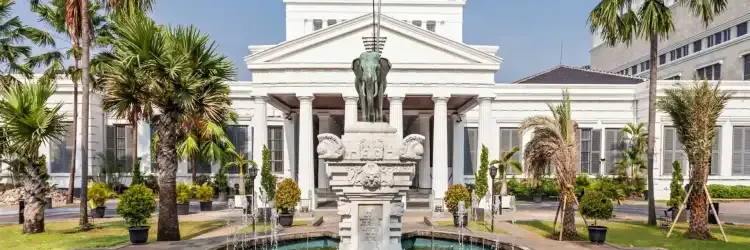
The special "Night at the Museum" program offers unique after-hours experiences with guided tours, traditional performances, and workshops.
This 150-hectare park lets you visit all 34 Indonesian provinces in a single day.
Each province has its own pavilion featuring authentic traditional architecture - from the dramatic curved roofs of Minangkabau houses to the elaborate carvings of Torajan structures.
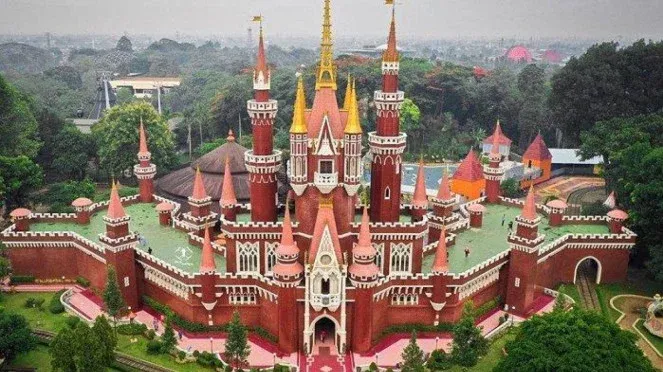
Watch traditional dance performances, try regional cuisines, and explore the cable car for aerial views.
Museum MACAN (Museum of Modern and Contemporary Art in Nusantara) is Jakarta's premier contemporary art space.
Rotating exhibitions feature works by artists like Yayoi Kusama and Andy Warhol alongside Indonesian masters.
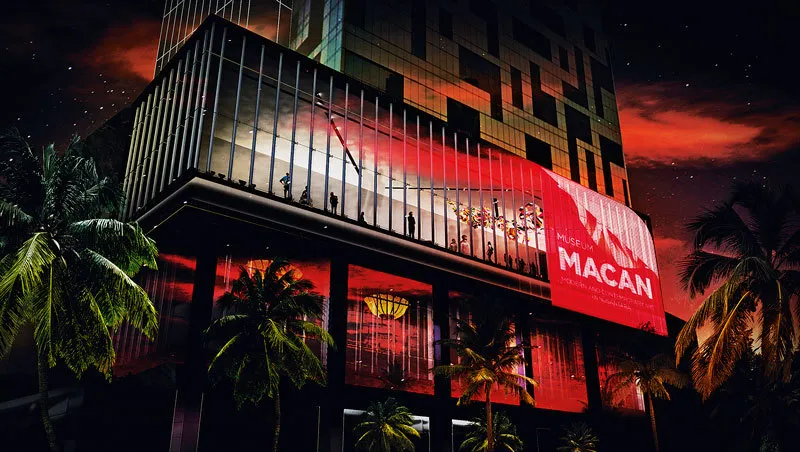
Beyond the galleries, the museum offers workshops, film screenings, and talks.
A treasure hunter's paradise. This open-air market stretches along Jalan Surabaya in Central Jakarta and has been operating since the 1960s.
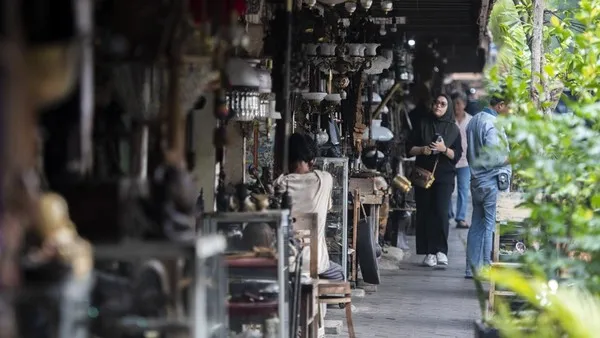
Browse through stalls packed with vintage cameras, Dutch colonial coins, traditional wayang puppets, retro furniture, and vinyl records.
Bargaining is expected and part of the fun.
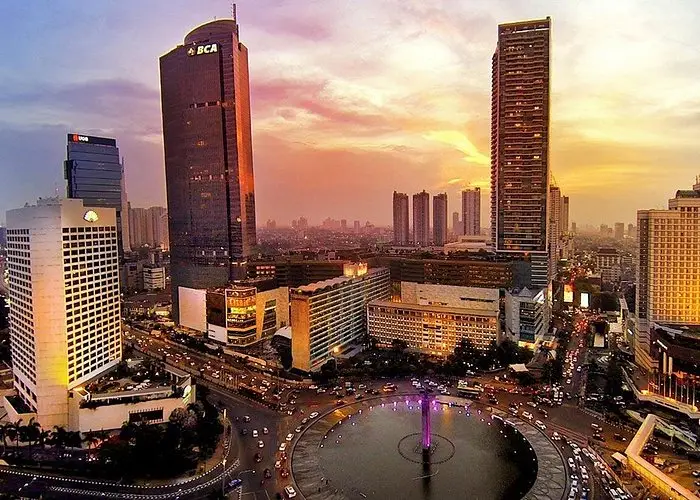
Jakarta's modern face showcases glass towers, luxury malls, and rooftop venues offering perspectives impossible a decade ago.
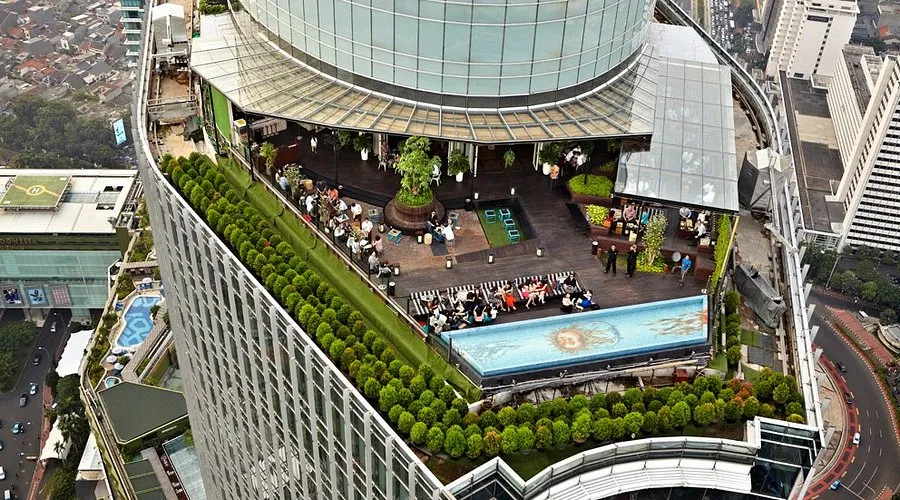
SKYE Bar on the 56th floor offers Jakarta's most stunning views with 360-degree panoramas. Arrive 30 minutes before sunset for the best tables.
These connected mega-malls define upscale Jakarta shopping.
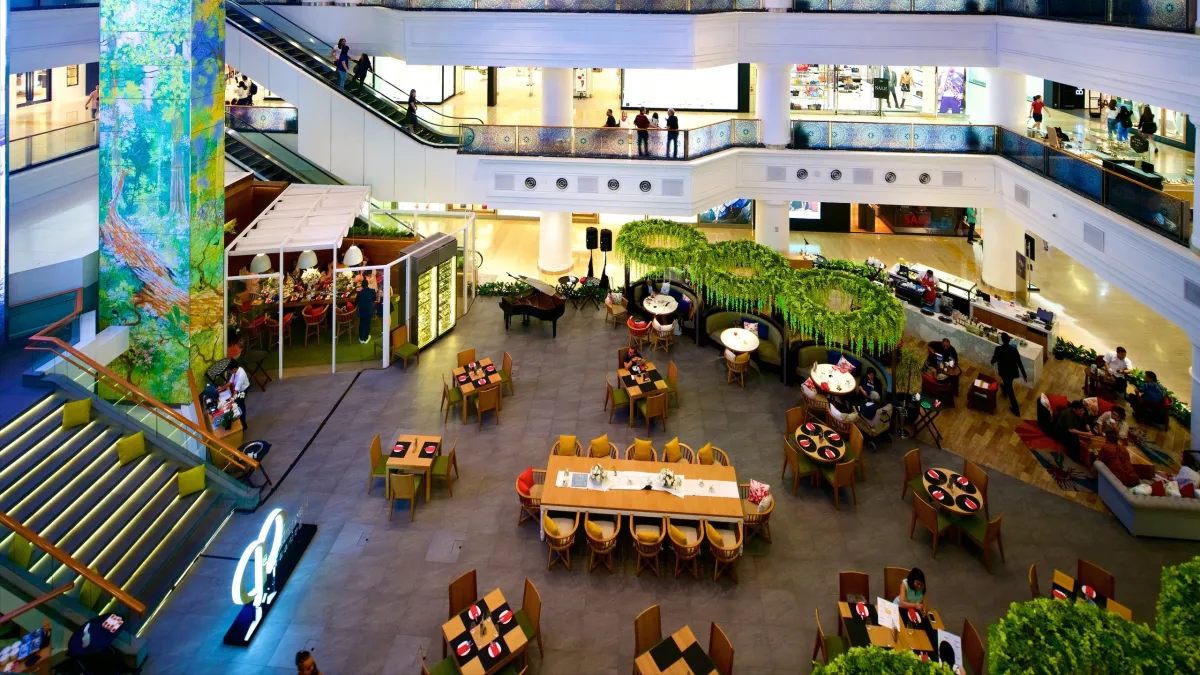
Grand Indonesia covers mid-range to luxury brands; Plaza Indonesia goes full luxury with Chanel, Louis Vuitton, and Hermès.
Beyond shopping, both function as cultural experiences - the food courts offer quality Indonesian and international cuisine at reasonable prices.
Housed in a beautiful colonial building, this museum tells economic history through engaging, interactive exhibits.
Completely free, and surprisingly fascinating even for non-finance visitors. Pairs well with a Kota Tua visit since they're nearby.
Jakarta perfects Indonesian cuisine from across the archipelago. You can eat like royalty on a backpacker budget, or splurge on innovative fine dining redefining Indonesian gastronomy.
No visit to Jakarta is complete without its legendary street food scene, and Sabang Street (Jalan Sabang) is ground zero.
This narrow street transforms into a culinary wonderland every evening.
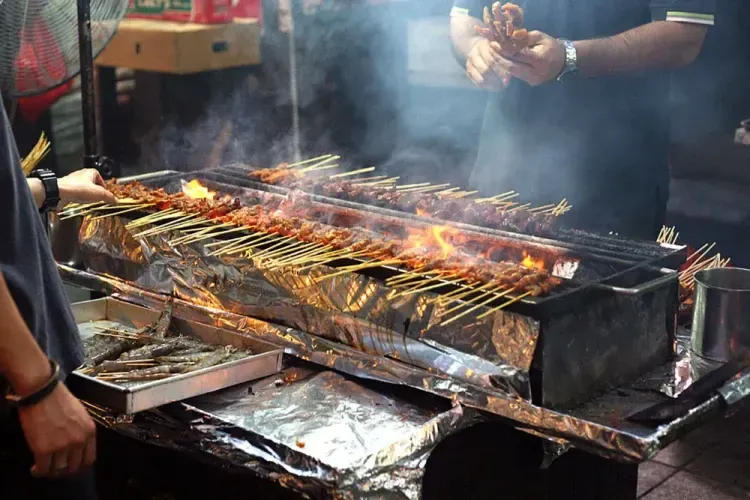
Start with sate ayam (chicken satay) grilled over charcoal, then move to nasi goreng prepared right in front of you.
Don't miss kerak telor - a traditional Betawi omelet made with sticky rice, eggs, and dried shrimp. For dessert, try es campur or martabak.
Pecenongan Street comes alive after dark with noodle stalls and satay vendors serving until 2 AM.
This is where Jakartans go for late-night comfort food. Try nasi goreng, mie goreng, and various satay options.
Prices rarely exceed IDR 40,000 ($3 USD) per person for a filling meal.
Pasar Santa blends hipster market with traditional Indonesian food in South Jakarta.
Young entrepreneurs sell creative foods alongside traditional vendors. Try martabak, es campur, and kerak telor. Operates day and evening - flexible for any itinerary.
While best known for textiles, Tanah Abang's surrounding streets host authentic food vendors serving local workers.
This is unfiltered Jakarta food culture - cheaper and less curated than tourist-facing food streets.
Jakarta's fine dining scene puts Indonesian ingredients and techniques into sophisticated settings.
Restaurants like Namaaz Dining and Kaum showcase Indonesian flavors in tasting menu formats.
Jakarta's urban intensity is real, but escapes are closer than you think.
From tropical islands just 45 minutes offshore to sprawling wildlife parks in the south of the city, these natural retreats give you breathing room without leaving the greater Jakarta area.
Over 100 small islands scatter across the Java Sea just north of Jakarta.
Crystal-clear waters, coral reefs, and white sand beaches feel worlds away from the megacity. Day trips or overnight stays both work.
One of Southeast Asia's largest zoos at 140 hectares, home to over 2,000 animals representing 270 species.
The zoo specializes in Indonesian wildlife - Komodo dragons, orangutans, Sumatran tigers, and endemic birds. The Schmutzer Primate Center is a highlight for great apes.
Jakarta's trendy waterfront district in North Jakarta offers a unique blend of seaside atmosphere and culinary excellence.
Famous for seafood restaurants with views of Jakarta Bay - as the sun sets, the atmosphere becomes magical. Also one of the stops on the Jakarta Night Tour by Eka Putra Tour.
Java's most spectacular attractions sit within two hours of Jakarta. Use the city as a base camp for exploring West Java's natural wonders.
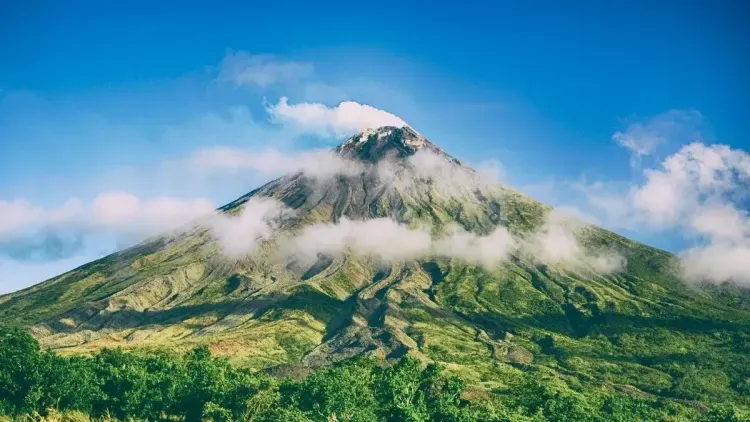
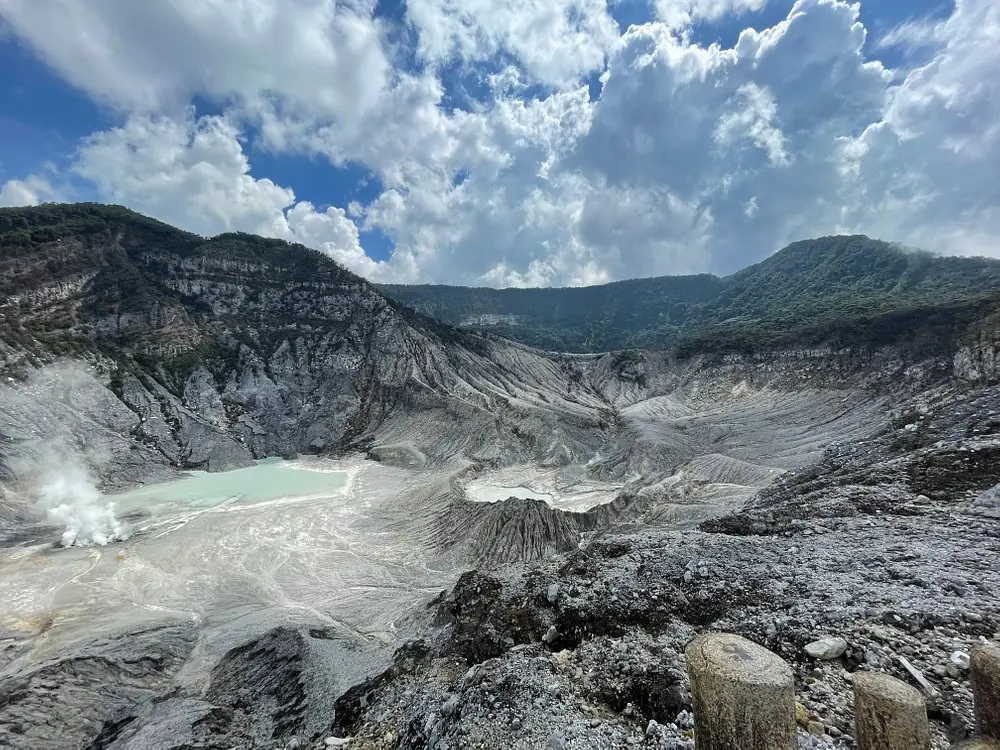
An accessible active volcano about 2 hours north of Jakarta near Bandung. Unlike most volcanoes, you can drive nearly to the crater rim.
The main crater releases sulfurous steam creating otherworldly atmospheres. Surrounding tea plantations add to the experience.
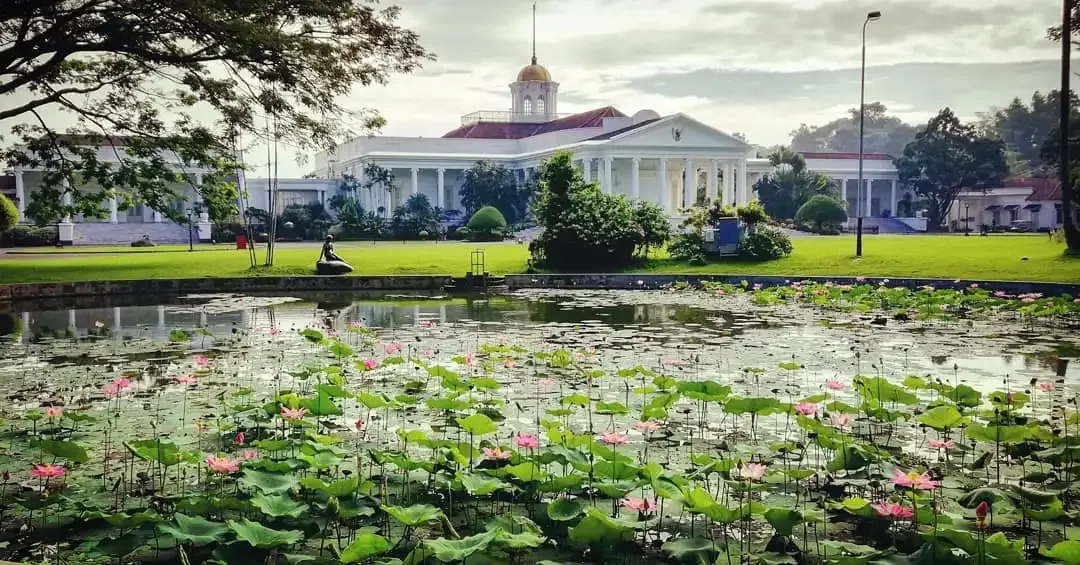
Established in 1817 by Dutch botanists, these gardens span 87 hectares with over 15,000 plant species.
Highlights include massive Victoria water lilies, extensive orchid houses, and the presidential palace on the border.
This mountain pass between Jakarta and Bandung offers stunning scenery, tea plantations, and cool mountain air.
Strawberry farms invite picking your own fruit, popular with families.
When the sun sets, Jakarta's energy shifts into higher gear. The city takes nightlife seriously - sophisticated cocktail bars, pulsing mega-clubs, and intimate jazz venues all within reach.
Jakarta's most upscale clubs and bars concentrated in one walkable area. Clubs like Dragonfly attract international DJs and Jakarta's party crowd.
More relaxed and artsy than SCBD. Live music venues and jazz bars attract musicians and creative types.
Craft cocktail bars, sports bars, and casual pubs line Jalan Kemang Raya. English commonly spoken; expat-friendly.
The best way to experience all of the above in one curated evening.
Eka Putra Jakarta Night Tour takes you through 7 of the city's most iconic nighttime spots - Merdeka Square, Monas, Istiqlal Mosque, Mangga Besar Street, Kota Tua, Sunda Kelapa Harbor, and PIK - with an English-speaking local guide, private vehicle, and street food stops included.
Southeast Asia's largest textile market operating on multiple floors. Wholesale prices attract retailers from across Indonesia - but individuals can buy single pieces at excellent prices.
Other Shopping Highlights:
| Budget Level | Daily Spend |
| Budget | $30–50 USD (street food, public transport, budget hotel) |
| Mid-Range | $75–150 USD (Mid-range hotels, restaurants, some tours) |
| Luxury | $200+ USD (Luxury hotels, fine dining, private transport) |
Jakarta rewards visitors who know where to look - and penalizes those who don't.
With 661 square kilometers of city, language barriers in traditional markets, and traffic that can turn a 10-minute journey into two hours, having a local expert changes everything.
Eka Putra Tour runs private, English-guided tours across Jakarta and beyond - from half-day city highlights to full-day cultural deep-dives and volcano day trips.
Every tour includes private transport, your own guide, and an itinerary built around your interests.