A tea plantation near Tangkuban Perahu is one of the best places to experience the cooler side of West Java.
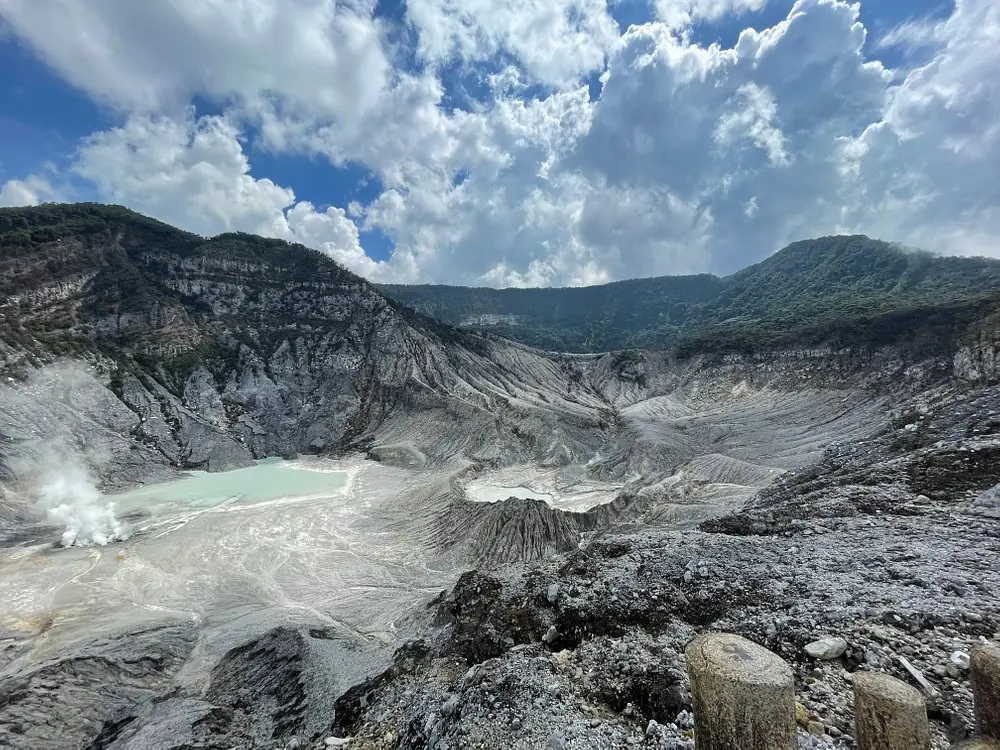
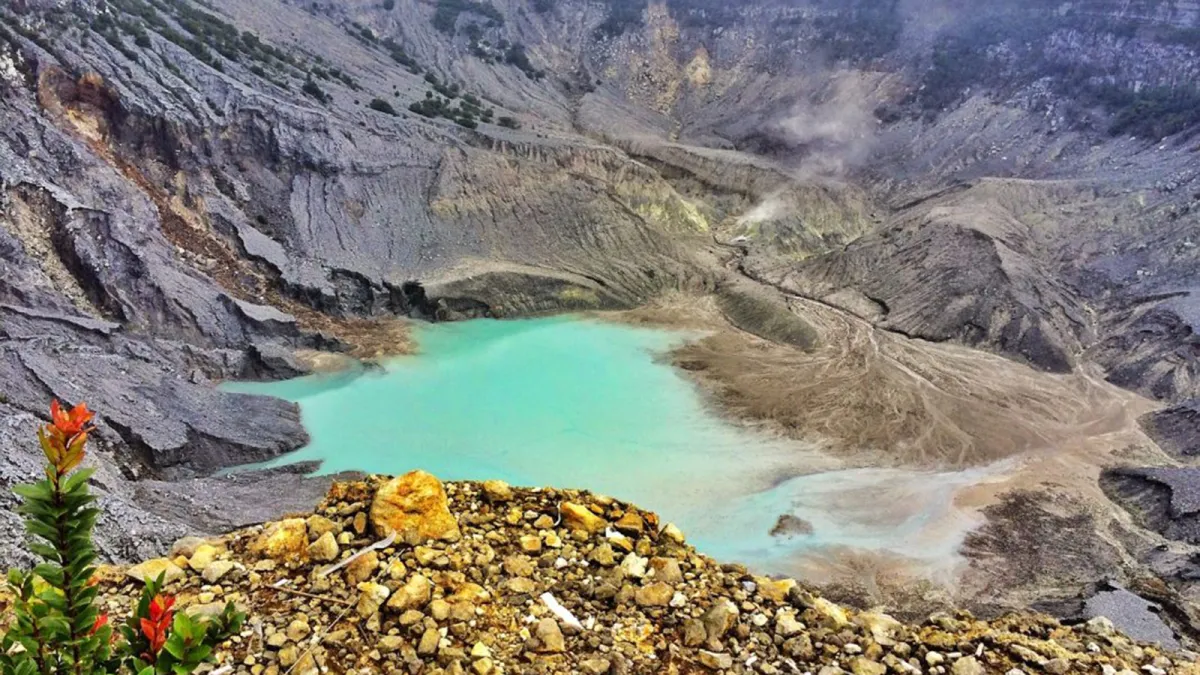
While most travelers visit Tangkuban Perahu to see its famous volcanic crater, many don’t realize that the surrounding highlands are also filled with beautiful tea plantations.
These green hills are located not far from Bandung and can easily be included in a day trip from Jakarta.
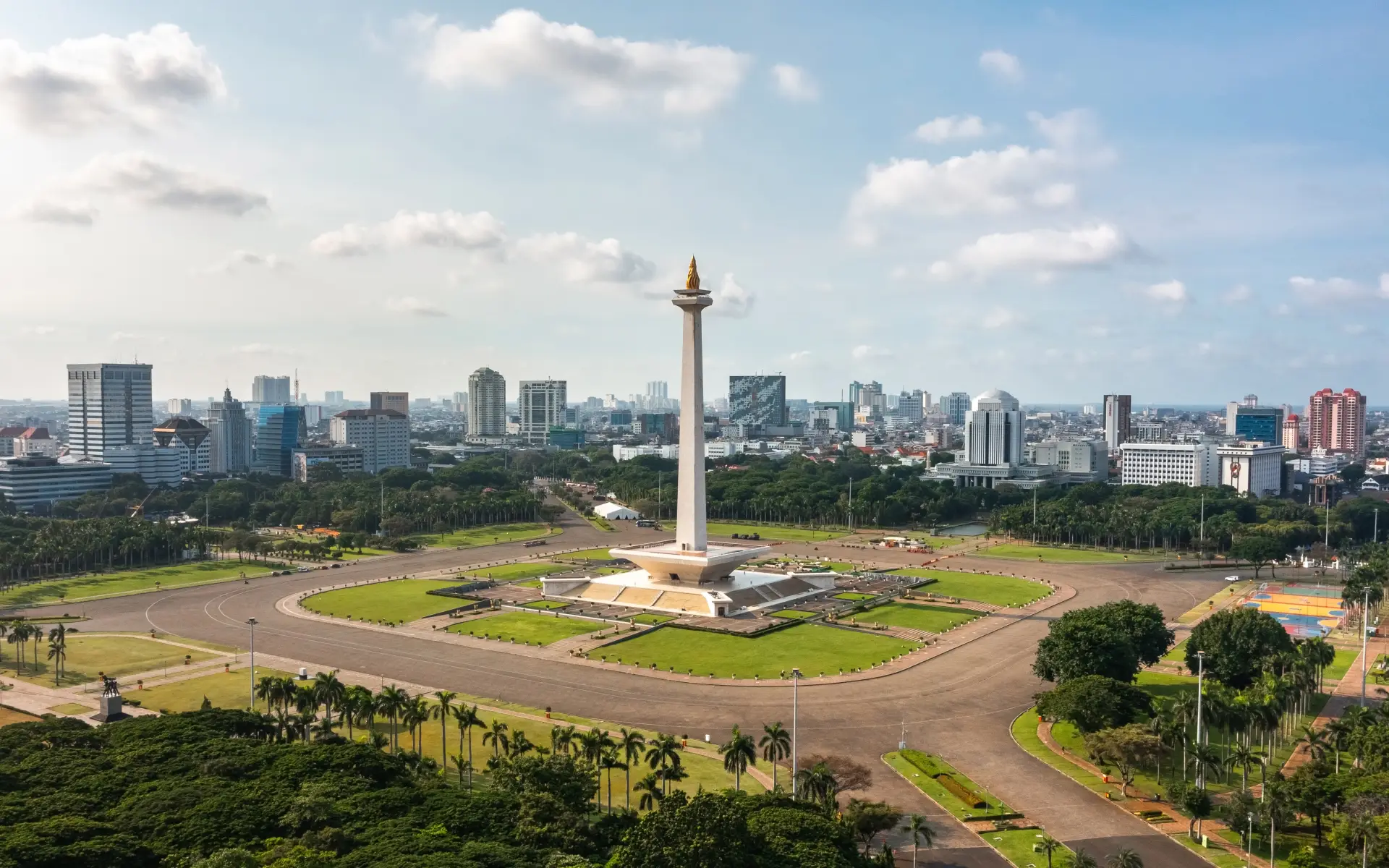
The scenery is completely different from the busy capital city. Instead of traffic and skyscrapers, you’ll find fresh mountain air, quiet roads, and endless rows of tea plants stretching across the hills.
Because the tea plantations are close to Tangkuban Perahu, many visitors combine both destinations in the same trip.
After exploring the volcanic landscape, stopping by a tea plantation is a great way to slow down and enjoy the peaceful side of the highlands.
One of the main reasons travelers visit this area is the atmosphere. The highland climate around Tangkuban Perahu is much cooler than Jakarta, which makes the trip feel refreshing, especially if you are looking for a short escape from the city.
Tea plantations also create some of the most scenic landscapes in West Java. The hills are covered with neat rows of tea plants that form beautiful green patterns across the slopes.
On clear days, you can see layers of hills and mountains surrounding the plantation, making it a perfect place for photography or simply enjoying the view.
Unlike crowded tourist attractions, tea plantations often feel quiet and relaxing. Visitors usually spend their time walking along the small plantation roads, taking photos, or just enjoying the calm environment.
For many travelers, it’s the peaceful atmosphere that makes the experience memorable.
Several tea plantations are located around the Tangkuban Perahu area. Each one offers beautiful views and a slightly different atmosphere, but all provide a relaxing escape in the mountains.
Kebun Teh Sukawana is one of the closest tea plantations to Tangkuban Perahu. Because of its location, it’s often included in travel itineraries that explore the volcano and nearby attractions.
The plantation is known for its wide open views and quiet surroundings. Long plantation roads cut through the hills, allowing visitors to walk around while enjoying the scenery.
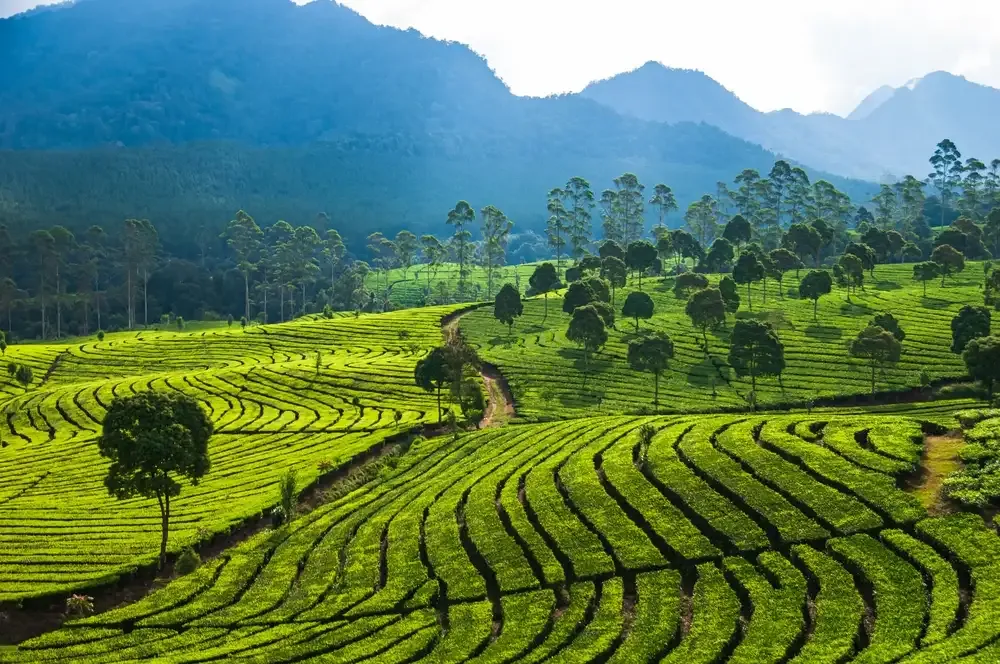
The landscape feels peaceful and untouched, especially during the morning when the air is still cool and fresh.
Sukawana is also a favorite photo spot. The green hills create a beautiful backdrop, and on some mornings a thin layer of mist appears above the plantation, making the scenery even more dramatic.
Another beautiful area is Perkebunan Teh Ciater. This plantation sits in the Ciater highlands, not far from the famous Ciater Hot Springs.
Many travelers enjoy visiting the tea plantation first before heading to the hot springs. The combination of cool mountain views and a relaxing soak in natural hot water makes this area a popular stop for visitors.
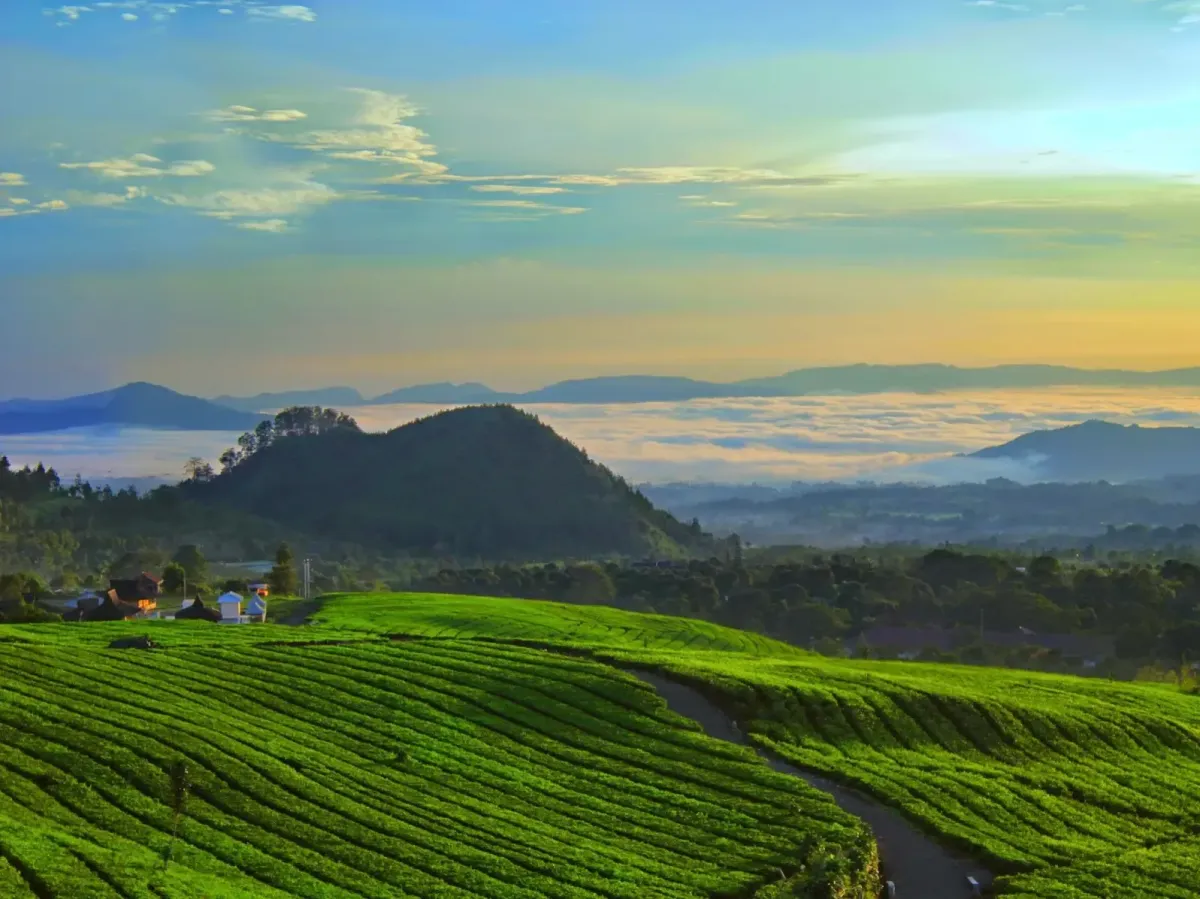
The road through Ciater is also very scenic. As you drive through the area, you’ll see wide stretches of tea fields on both sides of the road, with mountains rising in the distance.
For travelers who want to explore further, Perkebunan Teh Subang offers expansive tea plantations and a quieter countryside atmosphere.
The drive toward Subang passes through forests and rural landscapes, making the journey just as enjoyable as the destination.
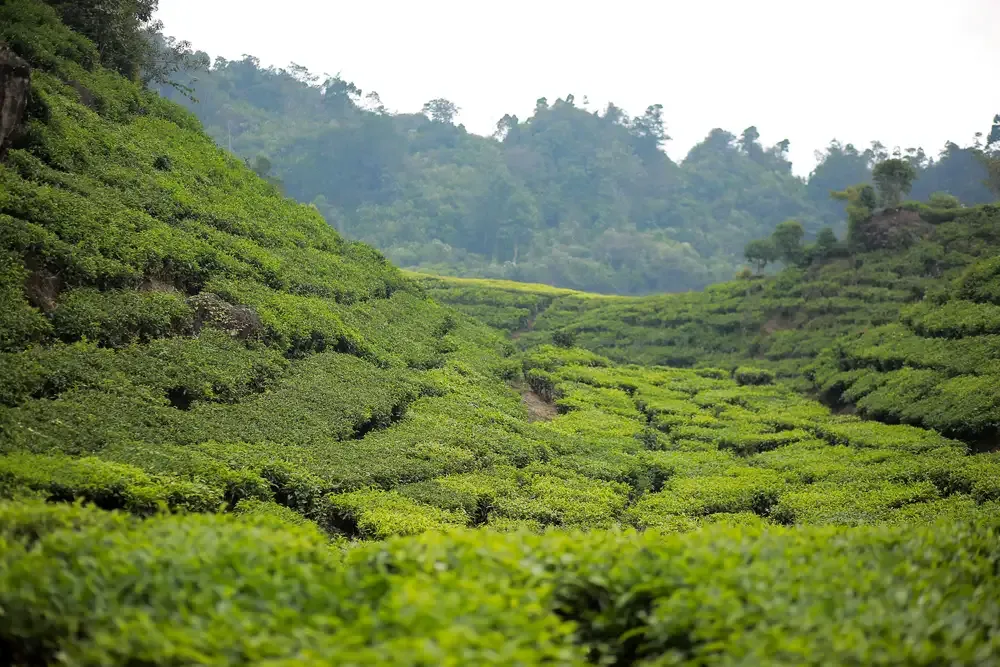
Once you arrive, the scenery opens up into rolling hills covered with tea plants.
Compared to more popular spots, this area tends to feel less crowded. It’s a great place to stop, take photos, and enjoy the peaceful surroundings.
Morning is usually the best time to visit a tea plantation near Tangkuban Perahu. The air is cooler, the light is softer, and the hills often look especially beautiful in the early sunlight.
In some cases, light mist can still be seen drifting across the plantations during the morning hours. This creates a unique atmosphere and makes the scenery look even more magical.
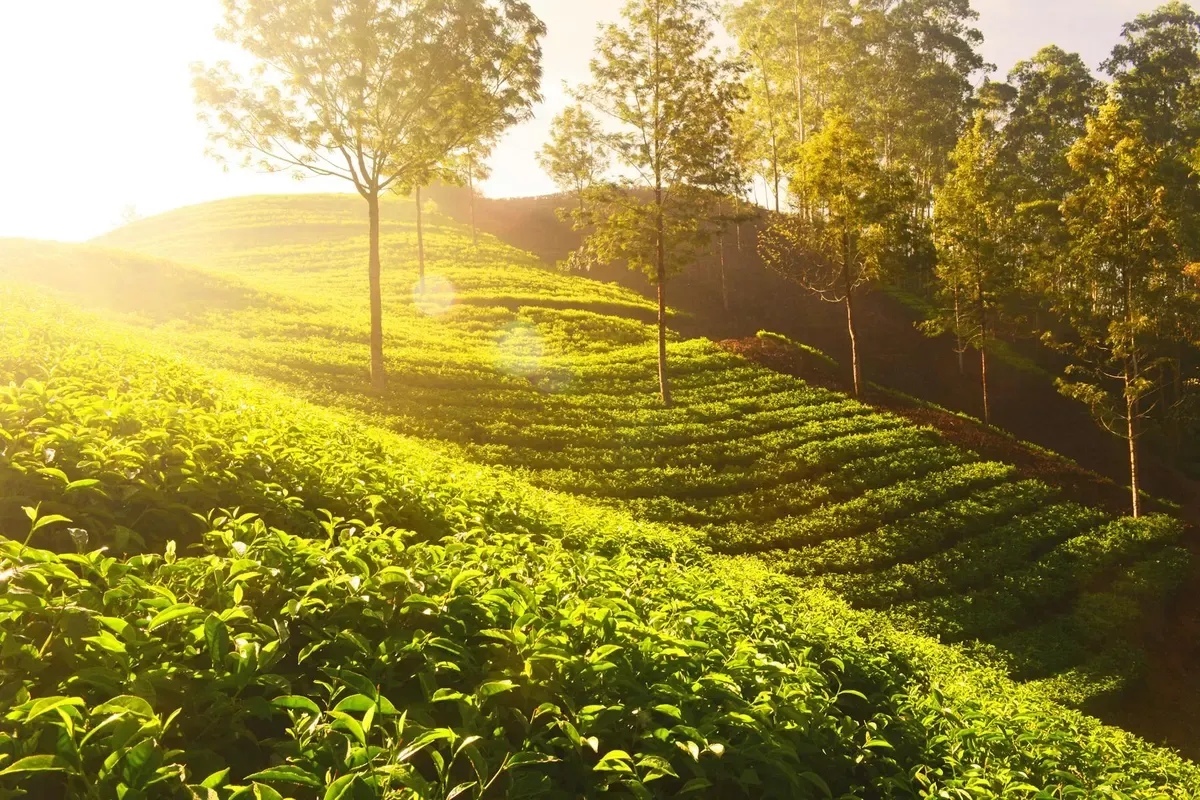
The dry season, which generally runs from April to October, is also a good time to visit because the weather tends to be clearer.
However, the tea plantations remain green and beautiful throughout the year thanks to the region’s cool climate.
If you’re planning a visit, there are a few simple things that can make the experience more comfortable.
First, try to start your trip early, especially if you’re traveling from Jakarta. Traffic can be unpredictable, and leaving earlier will give you more time to explore the highland attractions.
Second, bring a light jacket. Even during the day, the temperature around Tangkuban Perahu can feel quite cool compared to the lowlands.
Comfortable shoes are also helpful if you plan to walk around the plantation areas. Some paths may be uneven or slightly muddy, especially after rain.
And of course, don’t forget your camera. The scenery around the tea plantations is one of the most photogenic landscapes in West Java.
Traveling from Jakarta to the Tangkuban Perahu area usually takes around three to four hours depending on traffic conditions. Most visitors travel by car and pass through Bandung before heading further north into the highlands.
As the road climbs higher, the environment gradually changes from urban scenery to forests and agricultural land.
The cooler air and mountain views signal that you are getting closer to the highland destinations.
Because the attractions are located close to one another, many travelers plan a route that includes Tangkuban Perahu, nearby tea plantations, and sometimes Ciater Hot Springs in a single day.
Visiting a tea plantation near Tangkuban Perahu can be even more enjoyable when the trip is well organized.
The highland area has several beautiful destinations, and planning the route properly allows you to see more places without feeling rushed.
With services from Ekaputra Tour, travelers can explore popular attractions like Tangkuban Perahu, scenic tea plantations, and relaxing spots such as Ciater Hot Springs in one comfortable trip.
A private tour also makes the journey from Jakarta much easier, allowing visitors to focus on enjoying the landscapes of West Java’s highlands instead of worrying about transportation or navigation.