Indonesia's sprawling capital intimidates many first-timers with its sheer size and reputation for traffic chaos.
Yet beneath the urban intensity lies a city bursting with cultural richness, world-class cuisine, and unexpected pockets of tranquility.
This guide strips away the confusion and equips you with practical knowledge to navigate Jakarta like a seasoned traveler.
Home to over 10 million residents, Jakarta spreads across 661 square kilometers of Java's northwestern coast.
The metropolitan area swells to 30 million when including surrounding satellite cities. Gleaming skyscrapers tower over Dutch colonial buildings, while street vendors operate beside luxury shopping malls, contrasts define this megacity.
Traffic congestion ranks among the world's worst, yet locals navigate it with remarkable patience.
Expect tropical heat, sudden downpours, and a melting pot where Javanese, Sundanese, Betawi, Chinese, and Arab communities create a distinctly cosmopolitan atmosphere.
Jakarta's tropical climate means temperatures hover between 26-32°C year-round. The dry season from May through September offers the most pleasant conditions, with lower humidity and minimal rainfall disrupting outdoor plans.
June and July see peak tourist numbers coinciding with European summer holidays. Shoulder months like April and October provide decent weather without the crowds.
Monsoon season spans November to March, bringing heavy afternoon thunderstorms that flood low-lying neighborhoods. Despite the rain, hotel rates drop significantly during these months.
Avoid visiting during Lebaran (Eid al-Fitr), when millions leave the city, causing businesses to shutter and transportation to become overwhelmingly chaotic.
Indonesia extends visa-free entry to 169 nationalities for stays up to 30 days, non-extendable.
Citizens of countries not on the visa-free list can obtain a visa-on-arrival at Soekarno-Hatta International Airport for $35 USD, valid for 30 days with one possible 30-day extension.
Ensure your passport remains valid for at least six months beyond your arrival date and contains blank pages for stamps.
Travelers planning extended stays or conducting business should apply for appropriate visas through Indonesian embassies before departure.
Return or onward tickets may be checked at immigration, so have proof of departure ready.
Soekarno-Hatta International Airport (CGK), located in Tangerang about 20 kilometers west of central Jakarta, handles virtually all international flights.
Three operational terminals serve different carriers, Terminal 3 caters to Garuda Indonesia and partners, while Terminals 1 and 2 accommodate other airlines.
Airport train services provide the fastest connection to downtown, reaching Sudirman station in 55 minutes for approximately 70,000 IDR.
Damri airport buses offer budget-friendly alternatives at 40,000 IDR but take 90+ minutes depending on traffic.
Alternatively, you can also use Jakarta: Airport Transfer Service to/from Jakarta City for an easier journey.
Taxi stands outside arrivals provide metered rides costing 150,000-250,000 IDR to central areas. Download Grab or Gojek apps for cheaper ride-hailing options with upfront pricing.
Avoid unauthorized taxis approaching you inside the terminal.
Jakarta's public transportation has improved dramatically in recent years.
The TransJakarta bus rapid transit system operates dedicated lanes across 13 corridors, costing just 3,500 IDR per trip regardless of distance.
MRT (Mass Rapid Transit) connects southern suburbs to central business districts with air-conditioned comfort. The LRT serves specific routes between East Jakarta and Bekasi.
For maximum flexibility, ride-hailing apps Grab and Gojek offer cars, motorcycles, and even bicycle taxis at reasonable rates.
Motorcycle taxis (ojek online) weave through traffic, cutting journey times dramatically but not suiting nervous passengers.
Conventional taxis from reputable companies like Blue Bird provide metered service. Renting a car without a driver makes little sense given parking nightmares and aggressive local driving habits.
Central Jakarta (Menteng) puts you near embassies, museums, and colonial architecture, with tree-lined streets offering relative calm.
South Jakarta neighborhoods like Kemang attract expatriates with trendy cafes, international restaurants, and boutique hotels.
Senayan and Sudirman form the modern business district, packed with five-star hotels, upscale dining, and direct MRT access.
Old Town (Kota Tua) suits history enthusiasts despite limited accommodation options, most stay elsewhere and visit as a day trip.
Avoid North Jakarta's port areas unless specifically interested in maritime activities. Budget travelers find good value hostels in Menteng and near Gambir Station.
Luxury seekers gravitate toward SCBD (Sudirman Central Business District) where international chains dominate.
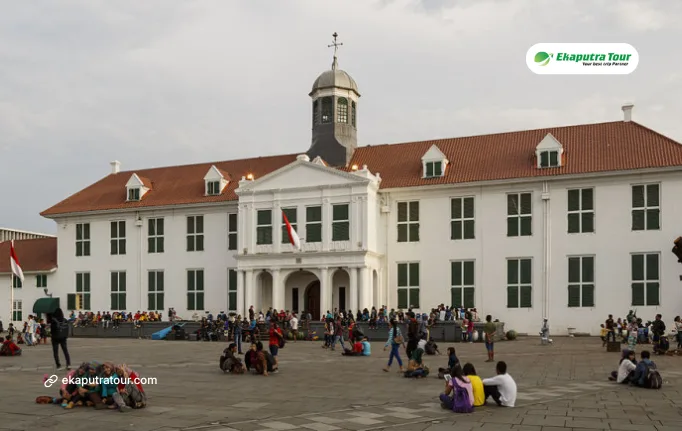
Kota Tua preserves Dutch colonial heritage through museums, art galleries, and photogenic Fatahillah Square surrounded by restored buildings.
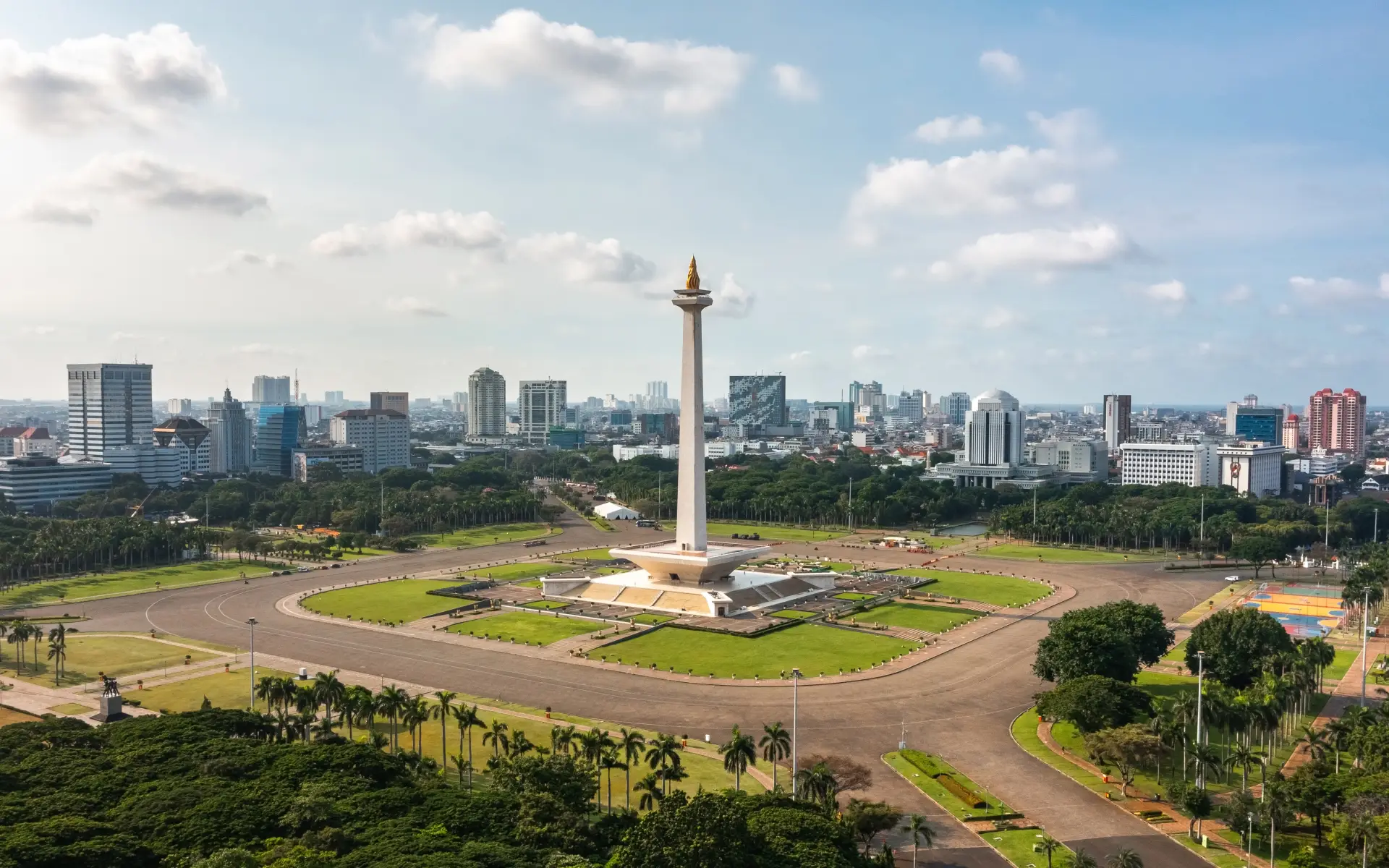
The National Monument (Monas) pierces Jakarta's skyline at 132 meters, with an observation deck providing 360-degree city views.
Istiqlal Mosque, Southeast Asia's largest, welcomes respectful visitors outside prayer times. Across the plaza stands Jakarta Cathedral, symbolizing Indonesia's religious diversity.
Taman Mini Indonesia Indah showcases traditional houses from all 34 provinces in one sprawling park.
Explore more: Jakarta: Half-day Explore Miniature of Indonesia Park
Modern art enthusiasts explore MACAN (Museum of Modern and Contemporary Art in Nusantara), while history buffs spend hours in the National Museum examining artifacts spanning millennia.
Ragunan Zoo offers family-friendly animal encounters, though facilities show their age.
Indonesian cuisine reaches its zenith in Jakarta, where regional specialties converge.
Start mornings with nasi uduk (coconut rice with sides) from street vendors. Lunch demands soto Betawi, a rich beef soup unique to Jakarta, best sampled at Soto Betawi H. Ma'ruf in Manggarai.
Gado-gado (vegetable salad with peanut sauce) appears on every corner but tastes exceptional at Gado-Gado Boplo.
Worth to try: Jakarta: Full-day Shopping & Food Culinary Tour
Evening meals call for Padang restaurants where you sample from dozens of pre-cooked dishes covering your table.
Seafood lovers head to Muara Angke's waterfront warungs for grilled fish selected directly from tanks.
International cuisine thrives in SCBD and Kemang, Japanese izakayas, Italian trattorias, and American steakhouses cater to homesick expatriates.
Grand Indonesia and Plaza Senayan shopping malls house food courts featuring every Asian cuisine imaginable at mid-range prices.
Shopping malls function as Jakarta's social hubs, offering air-conditioned refuge from tropical heat.
Grand Indonesia and Plaza Indonesia in Central Jakarta stock international luxury brands alongside local designers.
Pacific Place and Senayan City in South Jakarta attract affluent locals with premium retail and cinema complexes.
Confused about where to shop in Jakarta? Check this Jakarta Full Day Shopping & Food Culinary Tour
For bargains, Tanah Abang Market sells textiles and clothing at wholesale prices requiring serious haggling skills.
Pasar Baru specializes in fabrics, accessories, and traditional garments.
Jalan Surabaya Antique Market tempts collectors with vintage cameras, Dutch colonial furniture, and traditional puppets of questionable authenticity.
Modern shopping centers like Central Park Mall in West Jakarta combine retail therapy with entertainment facilities including ice rinks and indoor theme parks.
Jakarta ranks relatively safe for major cities, though petty theft occurs in crowded areas.
Keep valuables secure in front pockets or hidden pouches, especially on public transportation and tourist sites.
Pickpockets work Kota Tua and markets where tourists congregate. Avoid displaying expensive jewelry, cameras, or smartphones unnecessarily.
Understand about Jakarta Safety Guide for First-Time Visitors
Traffic poses the greatest danger, drivers rarely yield to pedestrians, even at marked crossings.
Look both directions multiple times before crossing streets, as motorcycles travel against traffic on one-way roads.
Flooding paralyzes certain neighborhoods during heavy rains, so check weather forecasts and avoid low-lying areas during monsoon season.
Political demonstrations occasionally occur near government buildings but remain largely peaceful. Register with your embassy if staying extended periods.
Indonesian Rupiah (IDR) comes in denominations up to 100,000, with roughly 15,700 IDR equaling 1 USD.
ATMs accepting international cards cluster around shopping malls and business districts.
Withdrawal limits typically range from 2-3 million IDR per transaction, with fees of 30,000-50,000 IDR charged by local banks plus your home bank's foreign transaction fees.
Money changers in malls offer competitive rates without the fees, Central Jakarta's money changers along Jalan Thamrin provide fair exchanges.
Budget travelers manage on $25-40 daily covering street food, public transport, and hostel stays.
Mid-range visitors spend $60-100 for comfortable hotels, restaurant meals, and occasional taxis.
Luxury travelers exceed $150+ easily with five-star hotels costing $100-300 per night. Credit cards work in hotels, malls, and upscale restaurants but remain useless at street vendors and local warungs.
Indonesia's Muslim-majority population appreciates modest clothing, particularly when visiting mosques or traditional neighborhoods.
Cover shoulders and knees as basic respect, though Jakarta's urban areas tolerate Western casual wear.
Remove shoes before entering homes, mosques, and some traditional restaurants.
The left hand is considered unclean, use your right hand when eating, passing items, or shaking hands.
Public displays of affection beyond hand-holding make locals uncomfortable. Pointing with your index finger is rude; use your thumb or gesture with an open palm instead.
Bargaining is expected at markets and with unmetered taxis but not in malls or restaurants with fixed prices.
Learn basic phrases like "terima kasih" (thank you) and "permisi" (excuse me) to show cultural respect.
Bahasa Indonesia serves as the national language, though Jakarta's cosmopolitan nature means English is widely understood in hotels, restaurants, and tourist areas.
Older generations and those in traditional markets may speak limited English. Download Google Translate for real-time text translation.
Most hotels, cafes, and malls offer free WiFi, though speeds vary dramatically. Purchase a local SIM card at the airport from Telkomsel, XL, or Indosat for 50,000-100,000 IDR including data packages.
Telkomsel provides the most reliable coverage across Indonesia. Activating SIM cards requires passport registration due to government regulations.
Major shopping centers maintain excellent connectivity, while older neighborhoods experience slower speeds during peak hours.
Independent exploration suits confident travelers comfortable with language barriers and public transportation.
Download offline maps, research routes beforehand, and allow extra time for delays. However, Jakarta's scale and traffic complexity frustrate many first-timers attempting DIY adventures.
Organized tours eliminate transportation stress while providing cultural context often missed when wandering alone.
Consider joining small group tours for day trips outside Jakarta where public transport becomes impractical.
Services like ekaputratour.com specialize in guided experiences to natural attractions surrounding the capital, handling logistics so you focus on enjoyment rather than navigation.
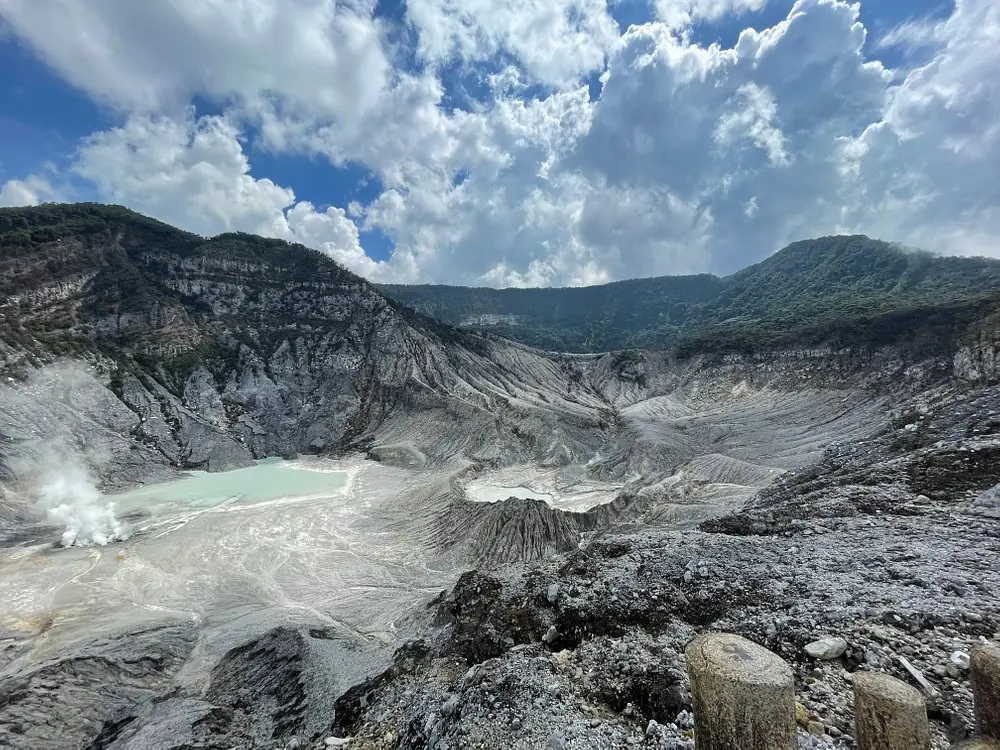
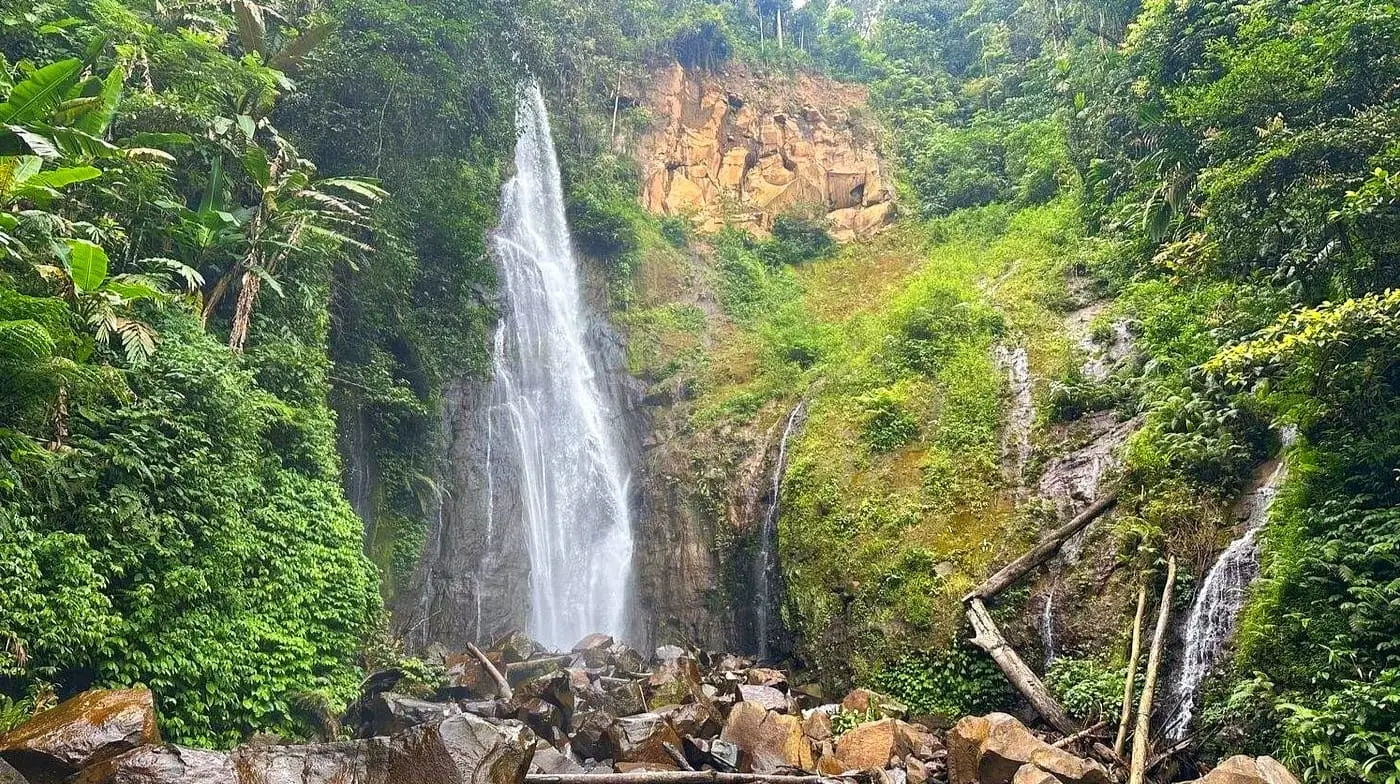
Hybrid approaches work well, explore central Jakarta independently while booking tours for destinations like waterfalls, volcanic craters, or island escapes where expert guidance maximizes limited vacation time.
See our Package:
Eka Putra Tour offers flexible options that fit every schedule and interest, whether you're squeezing in cultural highlights during a layover or diving deep into the city's hidden gems.
Our Jakarta Half-Day Trip perfectly suits travelers with limited time, covering essential landmarks without the rush, while the Full-Day Trip unveils layers of history, cuisine, and neighborhoods that independent tourists typically miss.
For those craving Jakarta's electric after-dark energy, the Nightlife Trip guides you beyond generic tourist bars into authentic entertainment districts where locals actually gather.
Each tour includes comfortable transportation that conquers Jakarta's notorious traffic, English-speaking guides who share stories no guidebook captures, and curated stops that maximize your experience without exhausting you.