Main Navigation
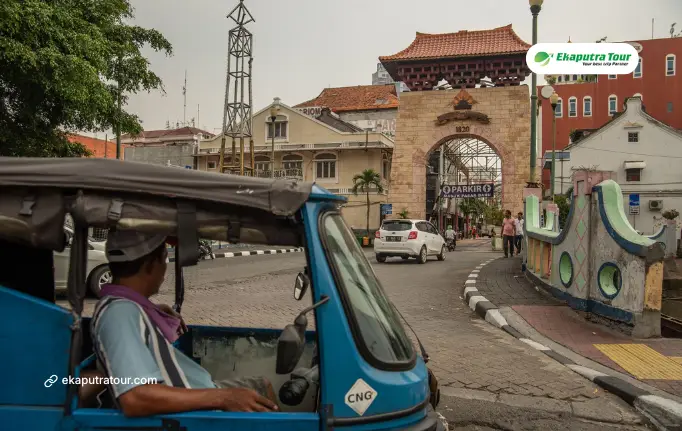
Jakarta is often recognized for its modern skyline and busy urban life, yet the city also preserves a wide range of traditions that continue to shape its cultural identity.
From traditional performances and ceremonial customs to historic marketplaces and artistic workshops, Jakarta offers experiences that reveal how heritage and contemporary life coexist across the capital.
For travelers who want to explore Jakarta's culture, understanding the city’s historical context helps explain how centuries of trade, migration, and cultural exchange formed the diverse traditions that visitors can still experience today.
Wayang Kulit is one of Indonesia’s oldest storytelling traditions, combining intricate leather puppets, live gamelan music, and dramatic narration to present legendary epics and philosophical tales.

In Jakarta, visitors can watch performances held in cultural centers, theaters, and special cultural events at Kota Tua, where traditional arts are regularly introduced to both local audiences and international travelers.
Experiencing a Wayang Kulit performance provides insight into artistic traditions that have influenced Indonesian culture for generations while continuing to be preserved in modern cultural programs.
As the indigenous community of Jakarta, the Betawi people maintain a strong cultural presence through dance, music, and ceremonial performances.
These shows highlight colorful costumes, rhythmic choreography, and traditional musical accompaniment that reflect local traditions passed down through generations.

Watching Betawi dance performances allows visitors to better understand the cultural roots of Jakarta while experiencing traditional celebrations that remain active in festivals and tourism events across the city.
Ondel-ondel giant puppets are among Jakarta’s most recognizable cultural symbols, traditionally believed to protect communities from negative spirits.

Today, these colorful figures frequently appear in parades, festivals, and neighborhood celebrations, representing Jakarta’s multicultural heritage and the continued presence of traditional symbolism in modern urban life.
Traditional markets remain vibrant cultural centers where everyday local life can be observed through trading activities, culinary stalls, and long-standing family businesses.
Pasar Baru and Tanah Abang are two of Jakarta’s most well-known markets, offering visitors a chance to experience the atmosphere of traditional commerce while interacting with local vendors.

Both markets are also popular destinations for shopping for batik, textiles, and traditional clothing, making them an important stop for travelers interested in cultural products and local craftsmanship.
Make your Jakarta visit more meaningful with Jakarta: Full-day Shopping & Food Culinary Tour. You experience real food and popular shopping areas in one schedule.
Participating in a batik workshop allows visitors to learn the wax-resist dyeing techniques used to create Indonesia’s iconic textile patterns.
Kampung Batik communities provide hands-on experiences where travelers can interact directly with artisans and observe how this traditional craft continues to evolve.

The development of batik production also reflects historical colonial influences, which shaped trade routes, design exchanges, and the growth of textile industries in earlier periods.
Traditional Betawi wedding ceremonies are vibrant cultural celebrations featuring symbolic rituals, traditional costumes, ceremonial music, and elaborate processions.
These ceremonies often highlight traditional Betawi food, decorative cultural elements, and performance traditions that showcase the richness of Jakarta’s indigenous heritage.

Cultural festivals and tourism programs sometimes present ceremonial reenactments, allowing visitors to observe these traditions even when private ceremonies are not accessible.
Pencak Silat, Indonesia’s traditional martial art, combines physical skill, philosophy, and artistic movement, making it both a defensive practice and a cultural performance.

Demonstrations are frequently presented at festivals, cultural exhibitions, and tourism events, offering visitors the opportunity to see how martial arts traditions remain closely connected to ceremonial culture and national identity.
Pencak Silat, Indonesia’s traditional martial art, combines physical skill, philosophy, and artistic movement, making it both a defensive practice and a cultural performance.

Demonstrations are frequently presented at festivals, cultural exhibitions, and tourism events, offering visitors the opportunity to see how martial arts traditions remain closely connected to ceremonial culture and national identity.
Exploring multiple cultural experiences across Jakarta can be challenging due to distance and traffic conditions, especially for first-time visitors who want to visit several destinations in a limited time.
Understanding why guided cultural tours can enhance the journey helps travelers explore more locations efficiently while gaining valuable insights from knowledgeable local experts.
Visitors who want to combine performances, heritage neighborhoods, and cultural workshops in one itinerary can book cultural tour programs designed to highlight the city’s most important traditions.
For a more complete experience, heritage tour packages, including the Jakarta Full Day Tour by Ekaputra Tour, provide carefully arranged routes that connect historical districts, cultural attractions, and traditional communities in one comfortable and well-organized day of exploration.
Jakarta: Full-day Indonesia Culture, Traditional House & Landmark Tour is ideal for first-time visitors. You gain context, history, and visual experience in one tour.