Main Navigation
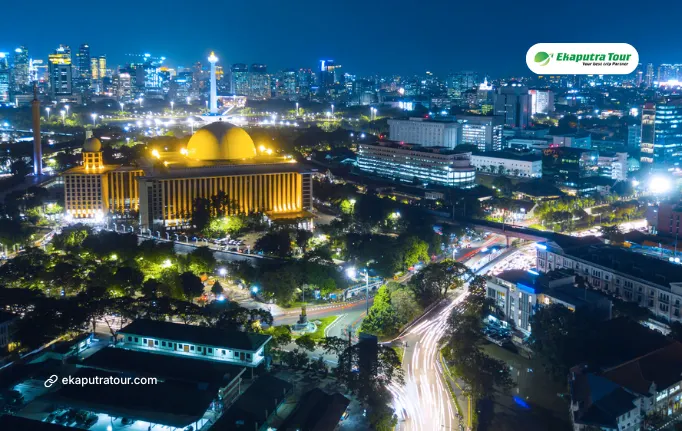
Planning a trip to Indonesia's capital and wondering if it's safe? You're not alone. Jakarta, with its 10+ million residents, can seem intimidating at first.
But here's the truth: thousands of travelers visit Jakarta safely every year, and with the right knowledge, you can too.
This guide gives you straight answers about staying safe in Jakarta, from avoiding scams to navigating the city like a pro.
Let's cut to the chase: Jakarta is reasonably safe for tourists. You're unlikely to encounter violent crime, but like any big city (New York, Bangkok, or London), petty theft and scams exist.
The key is awareness. Most tourist areas have visible security, and locals are generally helpful. The real risks? Traffic chaos, pickpocketing in crowded spots, and taxi drivers trying to overcharge you.
Before diving deeper, check out our complete guide for first-time visitors for more preparation tips.
Every city has its quirks. Here's what to watch out for in Jakarta.
Pickpocketing and bag snatching are the most common crimes targeting tourists. Hotspots include Tanah Abang market, train stations during rush hour, and busy malls.
Someone bumps into you, and suddenly your phone is gone. Or a motorcyclist grabs your bag while zooming past.
Keep belongings close, use anti-theft bags, and don't flash expensive items. For detailed protection strategies, follow our safety tips to know before visiting Jakarta.
Jakarta's traffic is legendary for all the wrong reasons. Motorcycles weave between cars, sidewalks randomly disappear, and drivers treat traffic lights as suggestions.
As a pedestrian, crossing the street feels like a challenge. One of the safest ways to navigate the city, especially when arriving, is to book hassle-free airport transfer rides rather than negotiating with unlicensed taxis.
Flooding happens during rainy season (November to March), mainly in North Jakarta. Tourist areas in Central and South Jakarta rarely face severe flooding.
Indonesia experiences minor earthquakes occasionally, though major ones affecting Jakarta are rare.
Air quality can spike during dry season. If you have respiratory issues, check the Air Quality Index and wear a mask on bad days.
The classics: taxi drivers refusing to use meters, fake tour guides demanding outrageous fees, and money changers short-changing you when counting bills.
Currency exchange scams are particularly common, so always read our guide on where to exchange money in Jakarta safely before your trip.
Never exchange money on the street, and count your cash before leaving the counter.
Not all Jakarta neighborhoods are equal. Here's where to go and where to skip.
Safest Areas: Central Jakarta's business district (SCBD, Thamrin, Sudirman) is your safest bet with international hotels, malls, and heavy security.
South Jakarta (Kemang, Senopati, Pondok Indah) offers upscale dining and a relaxed vibe with low crime rates.
Areas Requiring Caution: North Jakarta port areas get sketchy after dark. Parts of West Jakarta like Tanah Abang are fine during the day but avoid them at night.
Red-light districts (parts of Blok M late at night) are uncomfortable for most travelers.
Smart preparation prevents most problems. Here's what matters most.
Get comprehensive travel insurance covering medical emergencies and theft. Visit your doctor 6-8 weeks before traveling for vaccinations: Hepatitis A and B, Typhoid, and Tetanus.
Download offline maps and Google Translate. Register with your embassy after arriving.
Use anti-theft bags with lockable zippers. Dress modestly (cover shoulders and knees), especially at religious sites.
Keep photocopies of your passport separate from originals and store digital copies in cloud storage.
For a comprehensive checklist, our complete safety guide for first-time visitors covers everything from documentation to personal safety gear.
Never hail street taxis. Use Grab or Gojek apps exclusively. These ride-sharing platforms eliminate meter scams and are incredibly cheap.
The MRT and TransJakarta buses are safe but watch for pickpockets during rush hour.
When arriving at the airport, pre-booking reliable airport transfer services ensures you reach your hotel safely without stress.
Never drink tap water. Always use bottled water, even for brushing teeth. Choose busy street food vendors with high customer turnover (that means fresh food).
Jakarta's street food is amazing when you know which vendors to trust, so read our street food safety tips for travelers before indulging.
Wash hands frequently or carry hand sanitizer. Skip raw vegetables at questionable restaurants.
Jakarta's nightlife is worth experiencing. Here's how to do it safely. The safest entertainment districts are SCBD, Kemang, and Senayan with clubs, rooftop bars, and good security.
Always watch your drinks and never leave them unattended. To experience Jakarta's vibrant nightlife safely, consider joining an organized night tour designed for first-time visitors, which includes transportation and local guide expertise.
Use ride-sharing apps for late-night transportation. Don't walk around at 2 AM looking for taxis. If you must walk at night, stick to well-lit main roads like Jalan Thamrin. Solo travelers should minimize night walking altogether.
Solo Travelers: Jakarta is safe for solo travel. Stay in central locations, join group tours, and share your itinerary with family. Trust your instincts.
Female Travelers: Relatively safe for solo women. Dress conservatively, avoid empty train cars at night, and use ride-sharing apps. The MRT has women-only cars during rush hour.
Families with Children: Ancol Dreamland and Taman Mini Indonesia Indah are secure family-friendly spots. Keep kids close in crowded places, ensure they drink only bottled water, and pack hand sanitizer.
International hospitals like Siloam and RS Pondok Indah have English-speaking staff and accept international insurance.
They're expensive but provide excellent care. 24-hour pharmacies (Guardian, Century) are in major malls.
Common health issues include food poisoning (usually resolves in 24-48 hours), dengue fever during rainy season (use DEET repellent), and air pollution affecting respiratory health. Stay hydrated in Jakarta's tropical humidity.
Save these numbers now:
Keep your embassy contact saved and download Google Translate for offline use.
Use ATMs inside banks or malls only. Cover the keypad when entering your PIN. Our guide on where to exchange money in Jakarta reveals the safest locations and how to spot counterfeit bills.
Notify your bank before traveling. Carry small denominations (50,000 and 20,000 Rupiah notes) as many places can't break large bills. Use cash for street vendors and save credit cards for hotels and established restaurants.
Respect Islamic customs, especially during Ramadan. Remove shoes when entering homes and mosques.
Keep public displays of affection minimal. Learn basic phrases: "Tolong" (help), "Terima kasih" (thank you), "Hati-hati" (be careful).
Dress modestly at mosques (cover head, shoulders, knees). Most mosques provide loaner robes for visitors.
The National Monument (Monas) is safe during daylight with visible security. Old Town (Kota Tua) is charming but go during busy hours and watch for pickpockets.
For a well-rounded experience, explore our list of things to do in Jakarta that balances popular attractions with safety considerations.
Guided tours are recommended for Glodok Chinatown and traditional markets. Shopping malls like Grand Indonesia are extremely safe with security screening.
So, is Jakarta safe? Absolutely, with proper preparation. Like any major city, Jakarta has challenges, but millions visit safely each year by following common sense precautions.
Use registered transportation, stay alert in crowds, respect local customs, and know where to get help. Before you go, bookmark our essential safety tips to ensure a smooth experience.
Jakarta offers incredible experiences from world-class cuisine to vibrant nightlife. Don't let safety concerns hold you back. Travel smart and embrace everything this dynamic city has to offer.
Ready to explore Jakarta safely? Start planning your trip today!